
/Assets/arrow-facing-left--black-01.svg)
/Assets/navigation-global--close-symbol-black-01-1.svg)

/Assets/Icon%20Library/social/facebook-logo.svg)

/Assets/Icon%20Library/social/instagram-logo.svg)
/Assets/Icon%20Library/social/youtube-logo.svg)





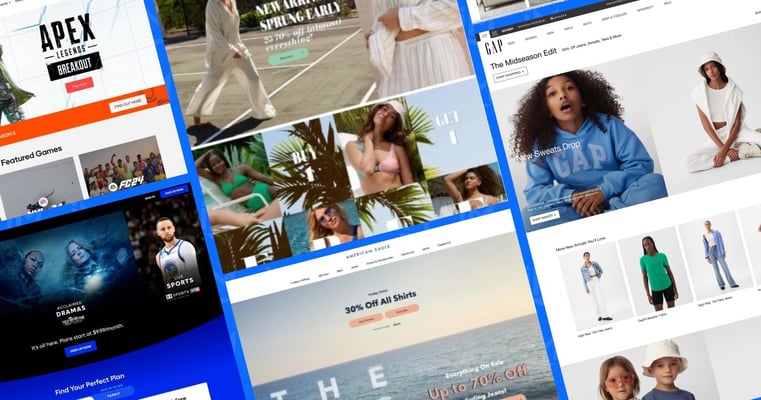
If you’re like a lot of business owners, you’ve spent hours digging into what makes a website stand out.
Especially if you lead a multi-brand company.
Multi-brand companies have a unique challenge when it comes to their website strategy -- How do you build clarity and trust across multiple identities at once?
In the Endless Customers System™, we focus on becoming the most known and trusted brand in your space by making your website the best place for buyers to get answers. The same principle applies here. If visitors can’t quickly tell which brand fits their needs, they won’t convert, and they definitely won’t come back.
FREE BOOK PREVIEW
Endless Customers Special Preview Edition
Get a taste of the book that brings you a proven system to build trust, drive sales, and become the market leader. This special preview edition has select chapters and The Four Pillars of a Known and Trusted Brand, resources to accelerate your success, and more.
The challenges
Let’s start by looking at the specific challenges that multi-brand companies have.
Awareness
First and foremost is the reality that the average consumer may not even aware that a company has multiple brands.
If they are aware of the individual brands, they likely have no idea that they are part of the same corporate family. The challenge here is, very simply, awareness.
Cross-brand loyalty
Another challenge is engaging loyal customers and enticing them to extend their brand loyalty throughout the company.
It’s great to have a customer who shops at your high-end retail division a few times a year, but it would be even better if they also shopped at your price conscious division for their more frequent shopping sprees.
Cohesion
It can also be difficult to showcase multiple brands in a cohesive way, especially if those brands are geared toward different consumer demographics. Companies have to find a way to differentiate, but also seamlessly transition their audience from one brand to another.
These are daunting challenges for companies to overcome, but there are quite a few who have found creative and intuitive ways to do so.
Is any company mastering multi-brand websites?
When we look at the best multi-brand websites, one pattern shows up again and again: the companies that do this well don’t just “list their brands.” They make it easy for visitors to understand what each brand is for, and they remove friction as people explore across the portfolio.
In other words, the strongest multi-brand experiences build awareness and clarity without forcing users to start over every time they switch brands.
And while certain industries have refined this approach over time, there are also plenty of standout examples outside of any one category that are raising the bar with thoughtful navigation, consistent design systems, and seamless paths from discovery to action.
5 Companies winning multi-brand websites
Of course, talking about "great" websites is certainly subjective. However, the five examples we are about to provide are sites that stood out to for their ability to overcome the challenges listed above.
1. Gap Inc.
Gap may be the most recognizable multi-brand company to the average shopper.
For one, it seems to be that most people are aware of the fact that Gap Inc. owns not only Gap but Banana Republic and Old Navy — as well as Athleta.
Much of this brand awareness can likely be attributed to some key features on their websites.
For instance, regardless of what brand website you visit, you are always met with navigation on the top left of your screen, highlighting the different Gap Inc. brands.
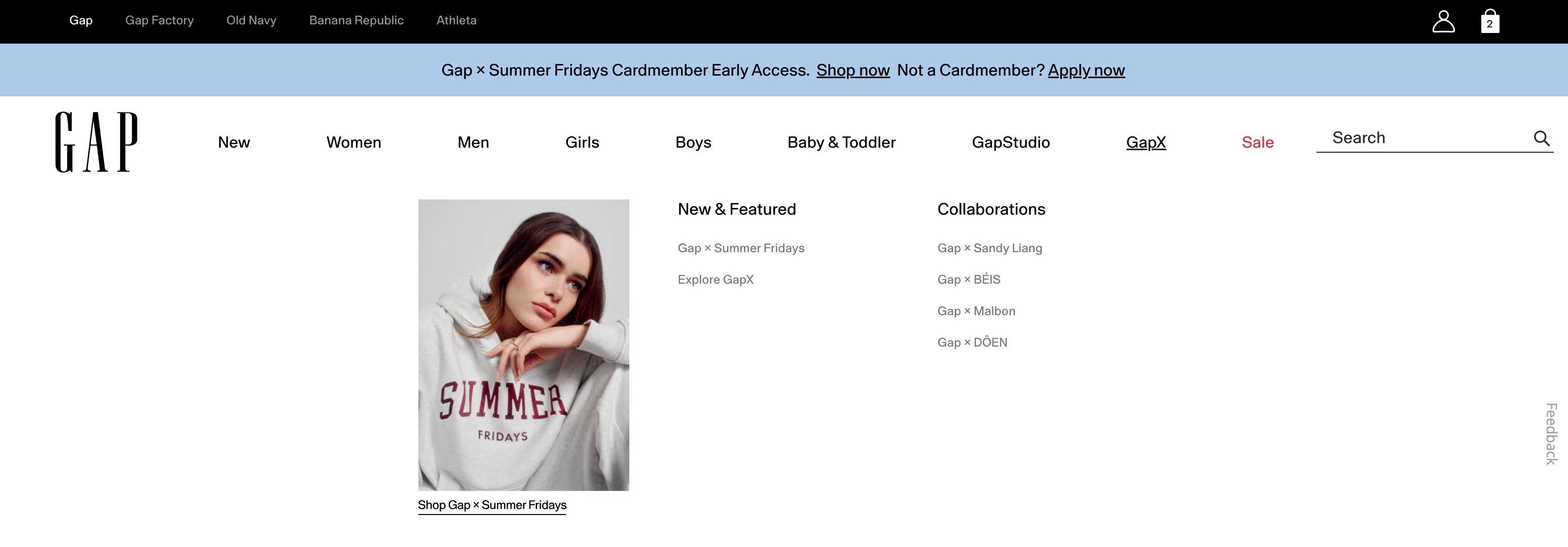
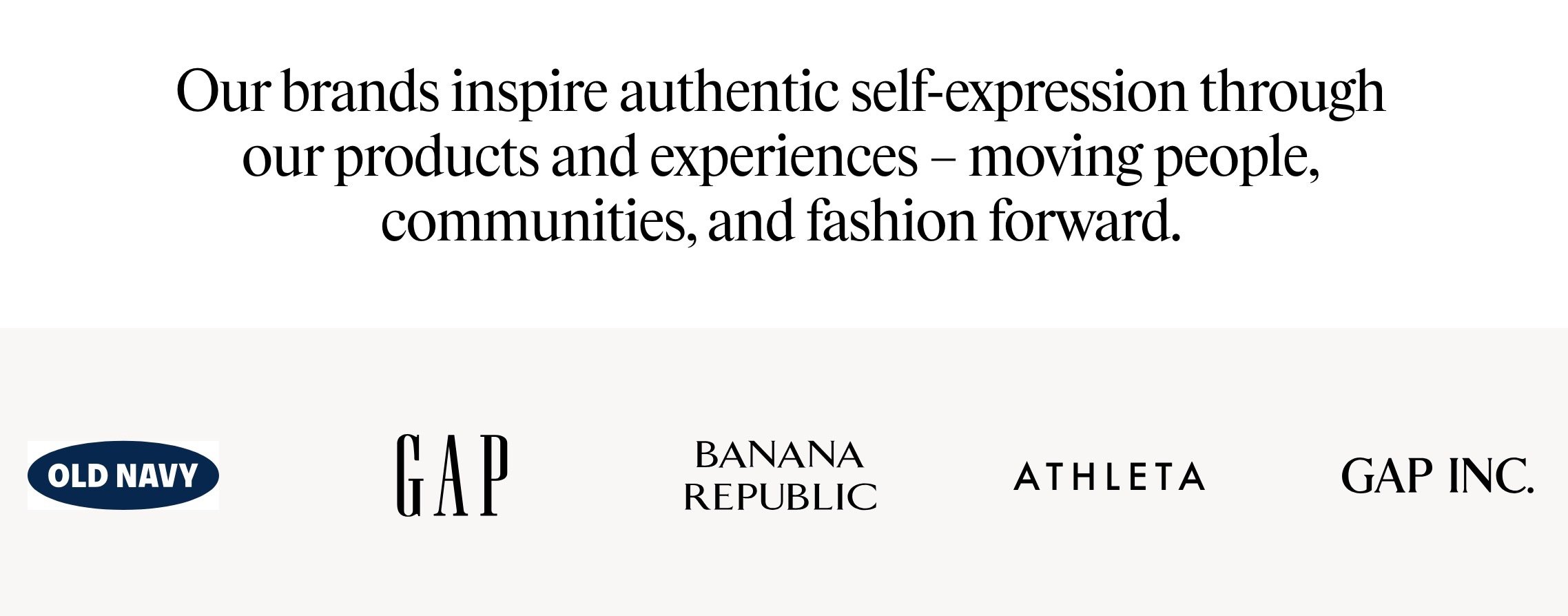
Another area where Gap Inc.’s website is great at handling its multiple brands is in the overall user experience when it comes to buying the products.
Not only can you toggle between each brand page, but you can add items to your shopping cart across brands, making for a much more convenient checkout experience. They even offer cross-brand promotions.
2. American Eagle Outfitters
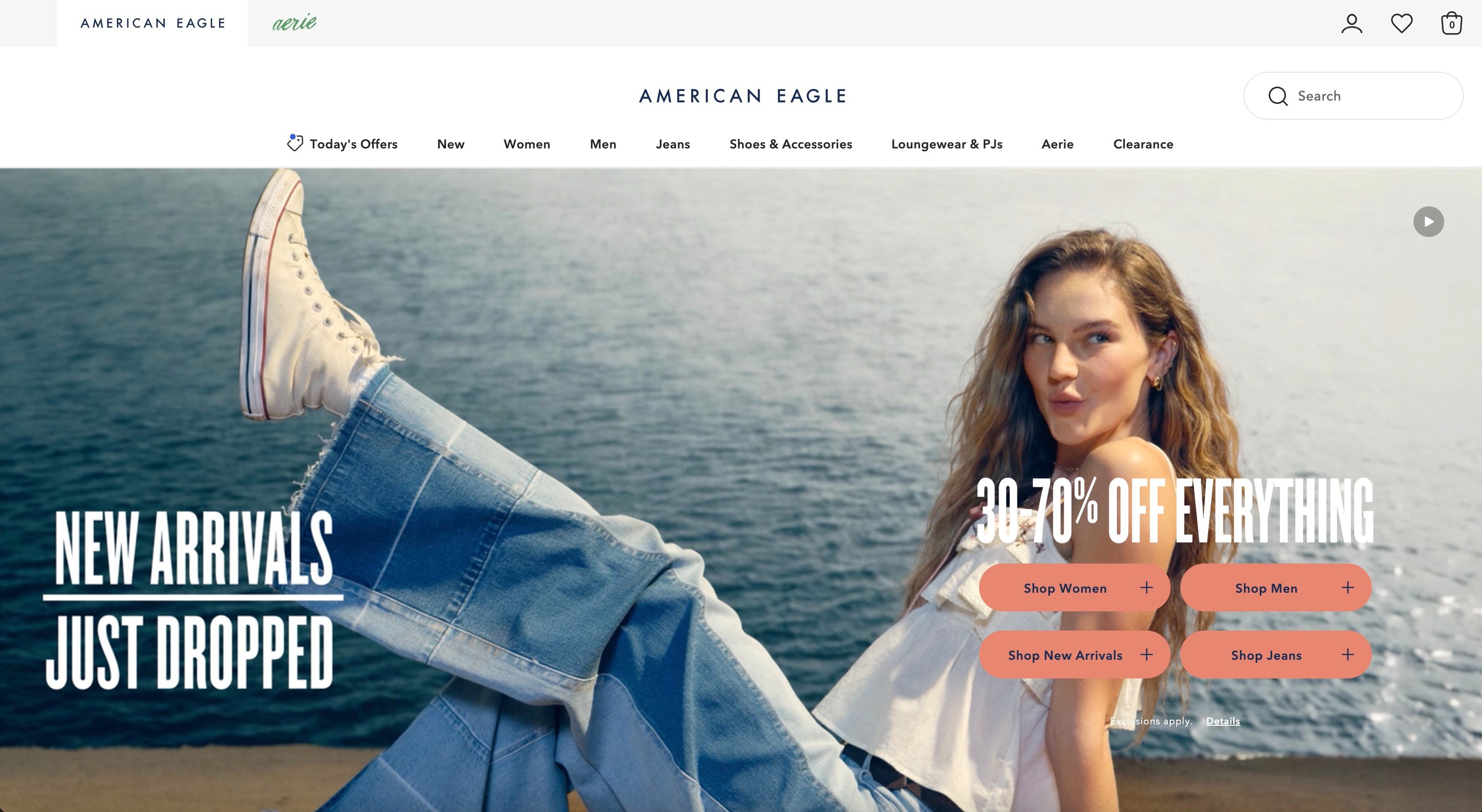
Like Gap, American Eagle is a clothing brand in itself, but in recent years, its other brand, Aerie, has gained momentum, offering a more comfort-based line of apparel, geared toward the "athleisure" trend.
AE.com has done something similar to Gap Inc., featuring both of their brands in the top left navigation of the website.
3. Pottery Barn
Pottery Barn is a company that is taking multi-brand to another level.
Within the Pottery Barn brand there are four sub-brands, PB Apartment, Pottery Barn Kids, PB Teen, and Pottery Barn Dorm
On top of that, they also have six other brands that make up the Williams Sonoma organization, Williams Sonoma, WS Home, West Elm, Rejuvenation, GreenRow, and Mark and Graham.
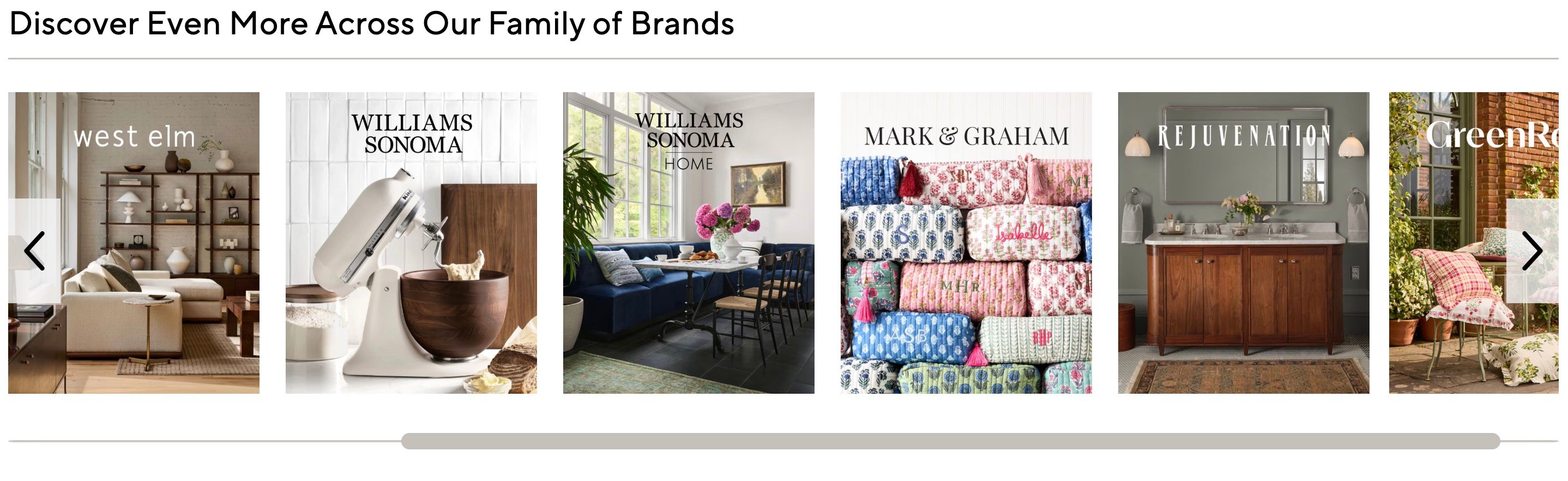
When it comes to a multi-brand website, Pottery Barn has managed to highlight all of the brands in the WS family in the site navigation.

In addition, they have a section at the bottom of their homepage that calls out the other brands with visuals:
4. Marriott Bonvoy
Marriott is a great example of what a multi-brand site should do when the portfolio gets big: help people find the right fit fast instead of dropping them into a wall of logos.
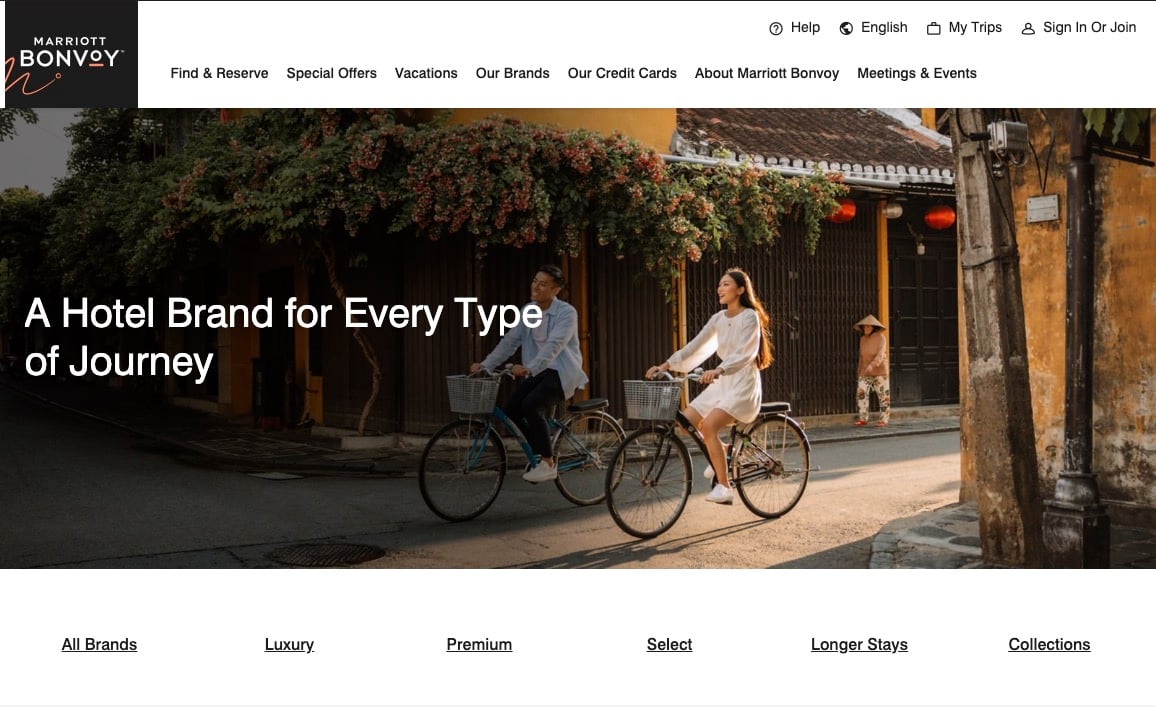
On their “Explore Our Brands” page, they organize dozens of hotel brands into clear buckets like Select, Longer Stays, and Collections, each with a quick “what this category is for” explanation before you ever see a list of brands.
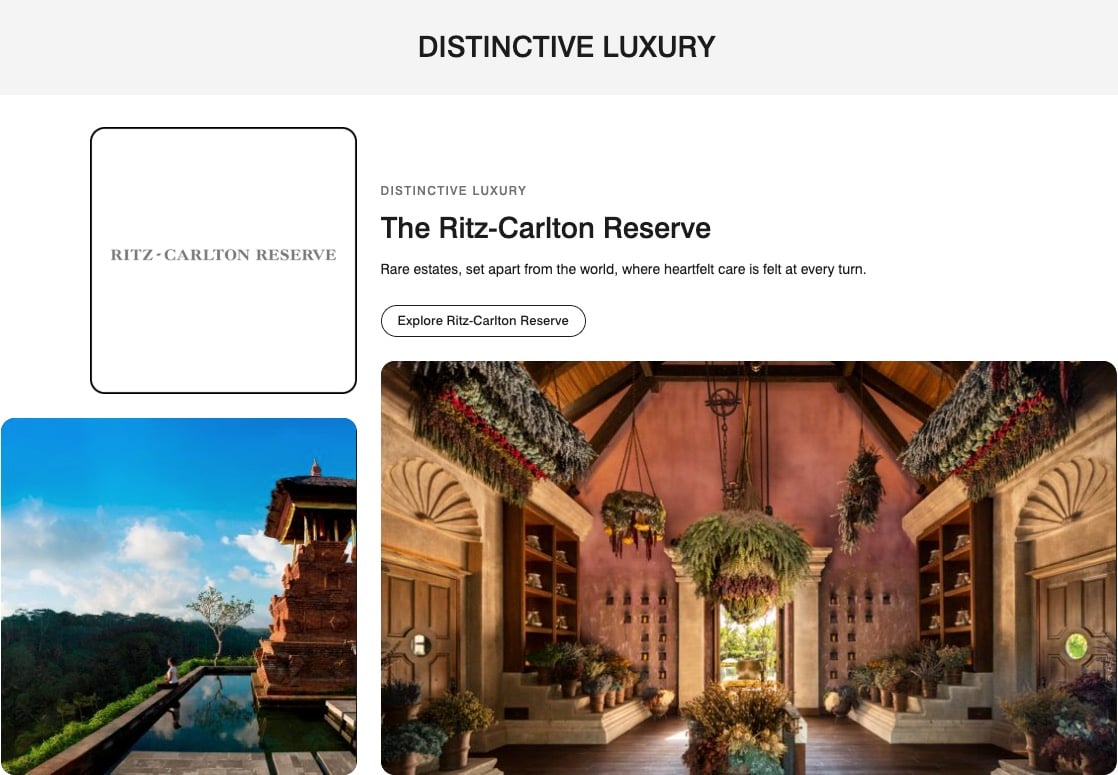
That structure does the heavy lifting. Even if you’ve never heard of half the brands, you can still navigate based on what you need.
5. EA (Electronic Arts)
EA is a video game company that is not a multi-brand company in the traditional sense, but what gains them a spot on this list is how they handle their catalog of popular games, which some may argue are each a brand on their own.
With titles including Madden, EA Sports FC, The Sims, and the Mass Effect series, each game “brand” has its own loyal fans and even culture.

Where EA utilizes the top of the page for their featured game, the rest of the site focuses on the various game brands, with content targeting each brand’s fans.
The content targets the specific audience while highlighting other games in a way that could generate interest from someone unfamiliar with the entire EA catalog.
A great multi-brand website is within reach
When it comes to creating a great website for a multi-brand company, these are great examples to look to, but, creativity and individuality goes a long way.
Keep these key things in mind when developing your own, unique multi-brand website strategy:
-
Feature your brands in one place, such as the navigation, so that everyone knows about them.
-
Ensure that the cross-brand user experience is easy and intuitive. If you're selling products across brands, let your users check out in one place.
-
Where appropriate, create engaging cross-brand content, that can be attributed to the individual brand without taking away from the brand family.
At IMPACT, we help businesses create the right website. Our website strategists coach your team to build a site that answers key questions, drives conversions, and earns trust.
Want to talk to our experts about your website needs? Book a free call to see what's possible.

Written By
John Becker is a Coach at IMPACT, where he uses the Endless Customers System to help businesses improve how they communicate and go to market by aligning their sales, marketing, and leadership teams. A Connecticut native, John studied at UPenn, Middlebury, and UMass, and has worked in both corporate and nonprofit settings. Every day, he helps businesses improve how they sell, market, and communicate.
John Becker is a Coach at IMPACT, where he uses the Endless Customers System to help businesses improve how they communicate and go to market by aligning their sales, marketing, and leadership teams. A Connecticut native, John studied at UPenn, Middlebury, and UMass, and has worked in both corporate and nonprofit settings. Every day, he helps businesses improve how they sell, market, and communicate.
/Assets/Icon%20Library/social/linkedin-logo.svg)
Share
/Assets/Icon%20Library/social/x%20corp.svg)
/Assets/Icon%20Library/social/mail-to.svg)
/Assets/base/Learning%20Center%20Resource%20Category%20Icons/Website%20link.svg)
READY TO IMPLEMENT ENDLESS CUSTOMERS™ IN YOUR BUSINESS?
You’ve learned the philosophy. Now it’s time to put it into action. Our coaches will help you apply the Endless Customers System™ to your sales and marketing so you can build trust faster, close deals sooner, and create a steady flow of new customers.
READY TO IMPLEMENT ENDLESS CUSTOMERS™ IN YOUR BUSINESS?
You’ve learned the philosophy. Now it’s time to put it into action. Our coaches will help you apply the Endless Customers System™ to your sales and marketing so you can build trust faster, close deals sooner, and create a steady flow of new customers.