
/Assets/arrow-facing-left--black-01.svg)
/Assets/navigation-global--close-symbol-black-01-1.svg)

/Assets/Icon%20Library/social/facebook-logo.svg)

/Assets/Icon%20Library/social/instagram-logo.svg)
/Assets/Icon%20Library/social/youtube-logo.svg)




/Assets/Icon%20Library/learning-center/Article.svg) How to Hire & Onboard a Content Manager (with Job Posting & Description)
How to Hire & Onboard a Content Manager (with Job Posting & Description)


 Building a Brand
Last updated on February 23, 2026
WANT TO BECOME THE MOST KNOWN AND TRUSTED BRAND IN YOUR MARKET?
If you’re looking to become a trusted brand and not sure where to start, IMPACT can help. We’ll guide you on how to lead with transparency, show your process with video, sell in buyer-friendly ways, and keep it human. All to build the trust that drives real revenue.
When most people hear “brand,” they think of logos, colors, or taglines. Those matter, but they aren’t what make people buy.
Your brand is what people think of you and say about you when you’re not in the room. And the strength of your brand is based on how many people in your market know you, trust you, and recommend you.
When your brand is strong, you're the company people think of first. You become their preferred choice over the competition, and customers willingly pay premium rates because they trust you more than anyone else.
If you’re reading this guide, you’re likely looking to build or grow your brand so more customers know you, trust you, and choose to do business with you.
You’re in the right spot. This guide will show you exactly how to become the most known and trusted brand in your market.
What Does It Mean to Build a Brand Today?
Most companies don’t realize that buyers complete, on average, 80% of their buying process before they ever reach out. Long before your sales team is involved, a buyer is already deep in research mode. They're reading content, watching videos, talking to peers, comparing options, asking questions, and forming opinions. By the time they contact you, they’ve likely already decided who they prefer the most. 
So the real question is this: during that 80%, are they finding you?
When someone in your market has a problem you can solve, whose name comes to mind first? When they’re online doing research, who are they learning from? When they're ready to buy, who do they automatically think to call? When a friend asks for a recommendation, whose business do they immediately suggest?
That company has built a strong brand.
Building a brand today means becoming the most known and trusted voice in your specific market. Whenever a potential customer is getting ready to make a purchase, they think of you.
Notice we didn't say "one of the most known" or "fairly well trusted." We're talking about absolute market leadership, the position where you're not competing for customers, you're the one everyone goes to first.
Your market might be small business accounting in Denver, residential roofing in central Ohio, or HR consulting for manufacturers across the country. The size of your market doesn’t matter. What matters is becoming the most known and trusted name in it.
 What would change for your business if you achieved that level of brand strength? What would happen to your pipeline, your pricing, your team's confidence, your stress levels as a business owner?
Brand strength creates a compound effect that touches every part of your business.
- Your sales cycles get shorter because prospects arrive pre-sold on your expertise.
- Close rates improve because you're seen a safe choice.
- Your pricing power increases because customers see you as worth the investment.
- Your team feels more confident because they're representing a respected brand.
- Great job candidates flock to you because they see you as the best company to work for in their field.
- Your stress decreases because you're not constantly chasing leads or fighting for every deal.
And so much more.
Most importantly, you attract the customers you actually want to work with. When your brand is the perceived leader in the market, price shoppers and problem clients tend to filter themselves out before they ever contact you.
Where Are You Now?
Be honest with yourself for a moment. When someone in your market needs what you offer, are you the first name that comes to mind? When they're researching solutions, do they find your content and expertise at every turn? When they're ready to buy, do they feel like they already know you and trust you?
If the answer is no, don’t worry. You’re about to learn exactly what to do to strengthen your brand.
If you’re wondering if you need to refresh your current brand, check out our resource, 5 Signs Your Brand Strategy Needs a Refresh. You’ll learn the clearest warning signs to watch for, why they cost you trust and deals, and the practical moves you can make to fix them.
What Is the Cornerstone of Every Strong Brand?
The strength of your brand is built on a single foundation: trust.
How much your market trusts you is the most important factor in determining whether you have a strong brand or a weak one. It’s arguably the only thing that matters when it comes to whether or not someone is going to buy from you.
Trust is the currency of buying decisions.
The more a buyer trusts you, the more likely they are to buy from you. Even if you’re not the cheapest, biggest, or most convenient option, they’ll pay more. They’ll stick around longer, and they’ll tell their friends about you.
But if the buyer doesn’t have that trust, or if there’s anything about your company that creates doubt, not only will you not get the business, you probably won’t get a call or a response at all.
Now here’s where is gets extremely challenging. While trust is the most important factor in your brand and in sales, it’s never been harder to earn.
We’re living in a world with a massive trust deficit.
We literally don’t know who to trust.
We don’t know what brands to trust. We don’t know what products to trust. We don’t know what platforms to trust. We don’t know what news outlets to trust. We don’t know what leaders to trust. We don’t know what politicians to trust. We don’t know what science to trust.
And the list goes on and on. 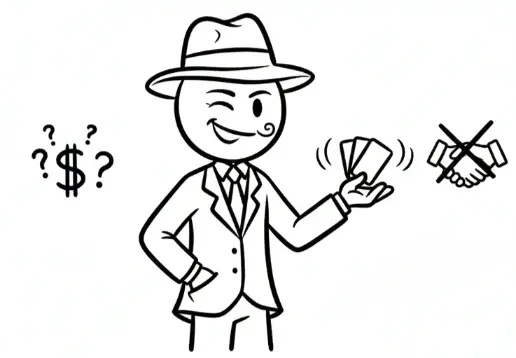
People have been burned too many times. False advertising. Under-delivered promises. Bad customer experiences. Trust in brands is at an all-time low. Buyers are afraid of making a mistake. They’re more cautious and more skeptical than ever. They’re researching harder, asking better questions, and looking for anything that helps them feel confident in their choice.
When someone sends just enough trust signals, and something about them says, “Maybe this person has my best interest at heart,” that buyer pays attention.
While the trust deficit is certainly a challenge, it’s one of the greatest opportunities your business will ever have. If you can build real trust in a market that’s starving for it, you will stand out faster than anyone else.
And earning trust is what The Endless Customers™ System is all about, doing the hard and uncomfortable things that no one else in your space is willing to do.
Everything in your sales and marketing must be filtered through one question:
Will this induce more trust?
We know we’re making a big deal about trust, but unless you truly understand and deeply believe in the fundamental importance of driving trust in your business, you won’t build a brand that’s the most preferred and recommended in your market.
So how do you do that?
You do what others won’t.
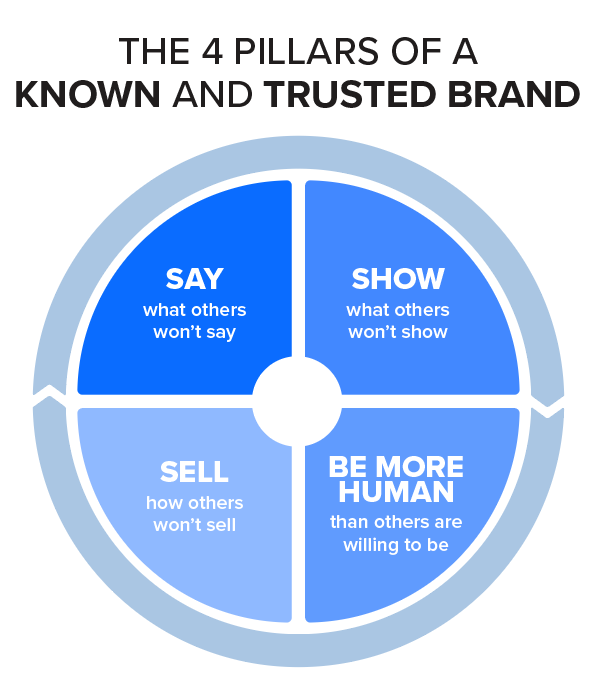
You build your brand on the Four Pillars of Trust.
The Four Pillars of a Known and Trusted Brand
Trust comes from deliberate actions, repeated consistently, that send a clear signal to your market: We are here to help you make the best decision for you. Most companies say they want to be trusted, but they stop short of doing the things that actually make it happen. They avoid the uncomfortable conversations. They withhold details that might create doubt. They hide behind polished marketing that says very little.
The brands that stand out and become the most known and trusted in their market take a different path. They lean into the hard work of earning trust. They know that leadership comes from showing up in ways others won’t. This is the heart of the Endless Customers™ System, and it rests on four distinct pillars.
Each pillar is a commitment. Each is an action that, when practiced consistently, positions you as the obvious choice in your market. Together, they form the foundation of a brand that is recognized, respected, and recommended.
1. Say What Others Won’t Say
The first pillar is about speaking boldly and directly about the topics your competitors likely tiptoe around, but your buyers are desperate to hear. They want to understand their options, the risks, their investment, and the trade-offs before they commit.
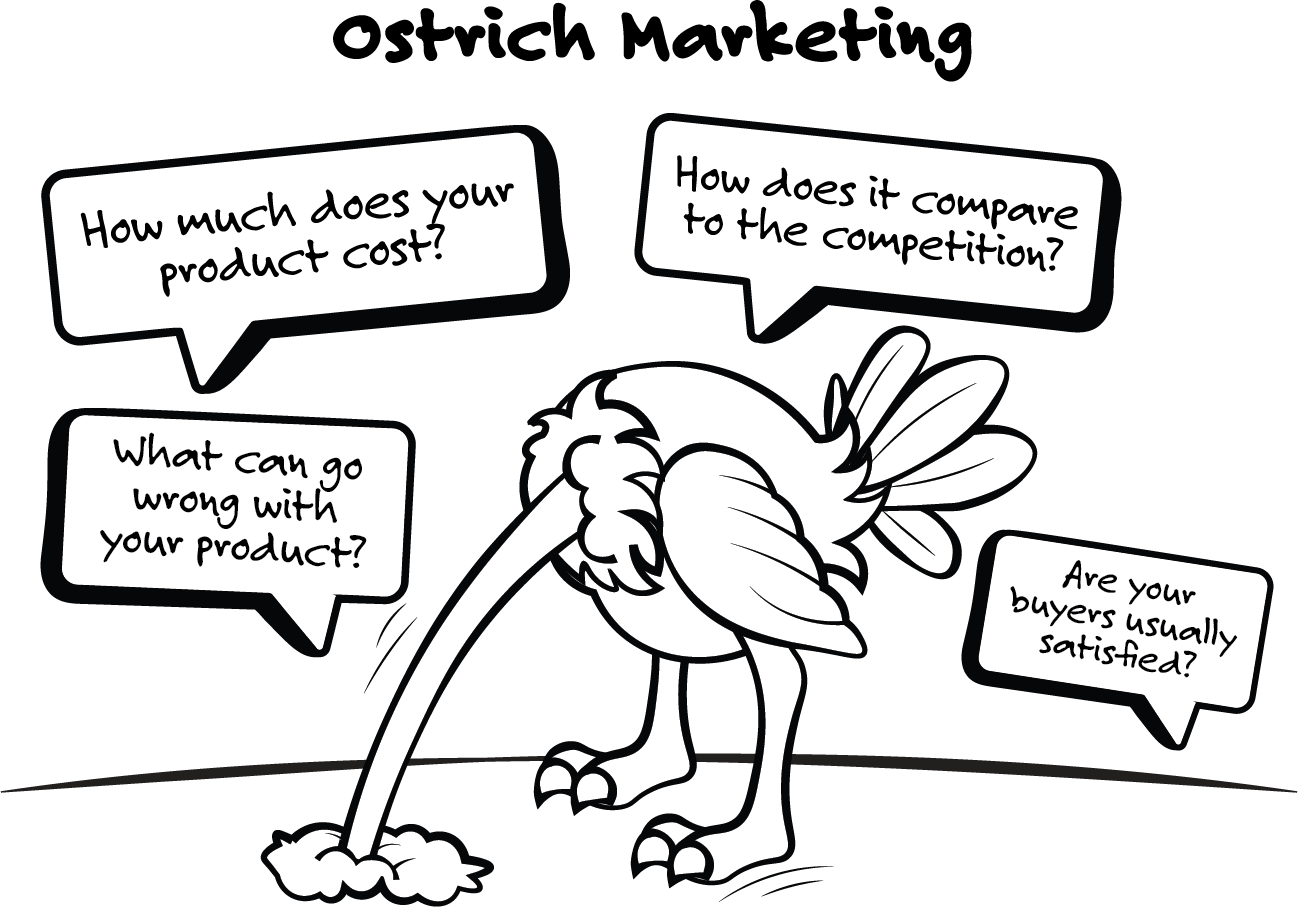
Yet most companies decide to AVOID talking about these topics because they fear it will scare people away. The truth is, the opposite happens. Saying what others won’t say earns attention and builds trust.
And nothing matters more to a buyer than price. It is the number one question on their mind. They may have other concerns, but when someone is in the market and about to make a serious purchase, they want to know what it will cost them. Not “it depends.” They want real numbers and real explanations. If you’re not addressing it, and your competitors aren’t addressing it, you’re both leaving buyers frustrated and skeptical.
Talking about price openly (how it’s calculated, what affects it, why it might go up or down) is one of the most powerful trust-building actions you can take. It tells the buyer you have nothing to hide. It positions you as a teacher rather than just a seller. And it shows you respect their ability to make an informed decision.
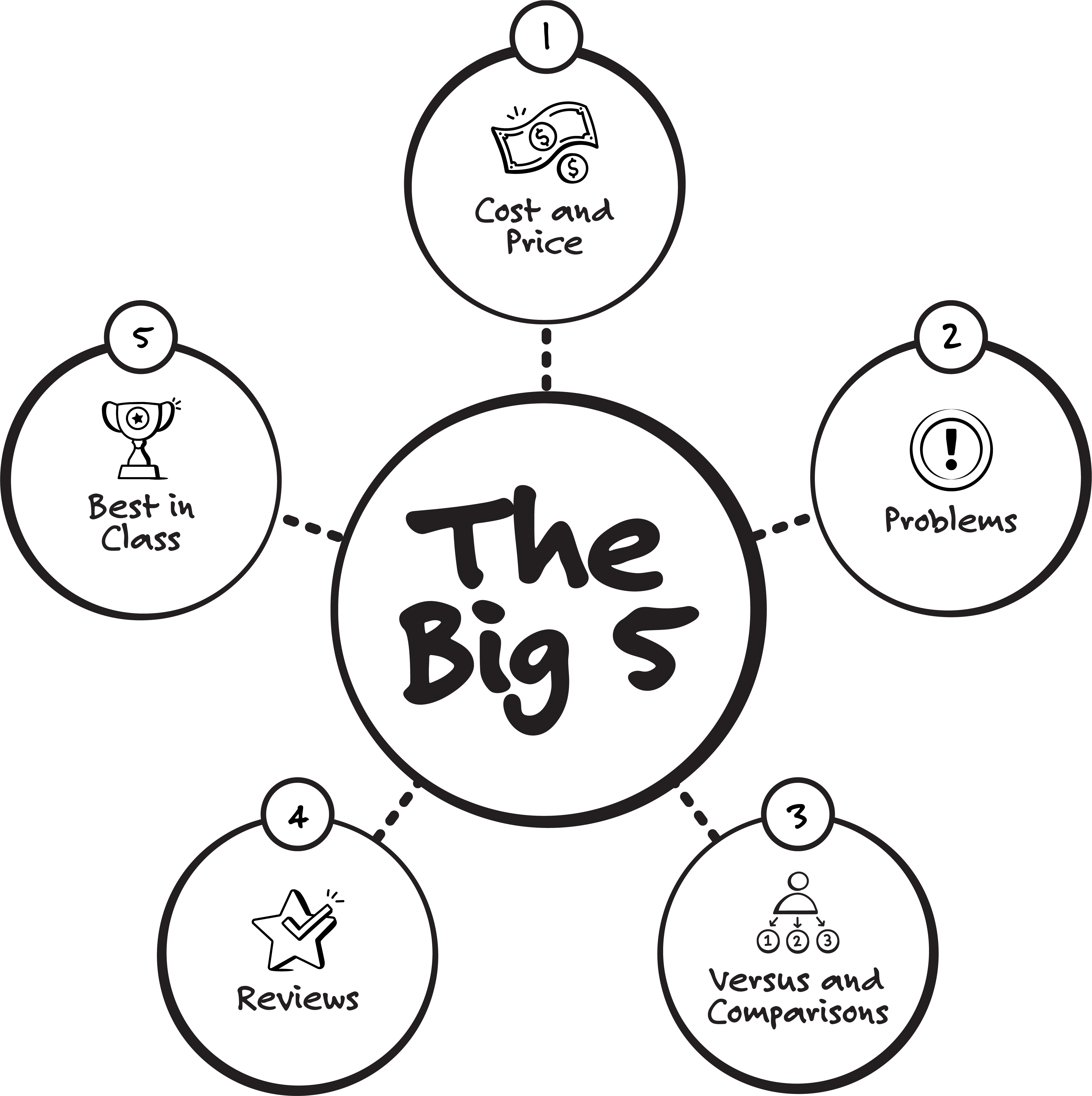
Think about the questions your prospects hesitate to ask but are dying to know the answer to. Pricing. The pros and cons of different options. Situations where your product or service is not the best fit. Common mistakes and how to avoid them. When you tackle these head-on, you send a clear message: We care more about helping you make the right decision than about forcing a quick sale.
Examples include publishing a detailed pricing guide that breaks down costs and explains why they vary, writing a piece on when your offering isn’t the right choice, or calling out industry practices that hurt customers. These conversations might feel uncomfortable at first, but they will set you apart from the noise and draw in buyers who trust you before they ever speak to your sales team.
2. Show What Others Won’t Show
Words are promises, but video is proof.
Buyers believe what they can see, and they make decisions faster when they can visualize how your solution actually works in the real world. This pillar is about pulling back the curtain and using video to show your process, your people, your quality standards, and the trade-offs that come with each option. When you do, you reduce risk in the buyer’s mind and replace uncertainty with confidence.
Most companies hide the very moments buyers want to see, like the messy middle, the prep work, the cleanup, or the handoff. They wait until everything looks perfect, then publish a glossy highlight reel that says very little.
That’s not what builds trust. Showing the real thing does.
Use video to set expectations. Show what will happen on day one, who’s coming to the job, how long it will take, what could go wrong and how you prevent it, how you handle change orders, what maintenance looks like, and what “great” versus “good enough” results actually look like side by side. The more a buyer can picture the experience, the more likely they are to choose you.
Make it personal. Put your experts on camera answering the exact questions prospects ask in sales calls. Record short bio videos so buyers “meet” your team before they meet your team. Let your project managers walk through finished jobs and explain the decisions made along the way.
Don’t hide the drawbacks. If an option requires more downtime, has a higher failure rate in certain conditions, or isn’t ideal for a specific use case, show it. Visual honesty turns objections into alignment.
When buyers see you telling the whole story, they stop bracing for a hard sell and start believing you’re on their side.
You don’t have to be worried about creating “cinematic” quality. What really drives trust is making a video that is clear and understandable.
A steady smartphone, good light, clean audio, and a clear outline are enough to make an excellent video that answers the question at hand. Publish consistently, link these videos from your pages and emails, and bring them into your sales process so prospects watch before they meet with you.
Examples include filming:
- A start-to-finish process walkthrough that shows prep, install, and cleanup. Include what the homeowner or stakeholder needs to do before and after.
- A “what could go wrong” video that explains common issues, how you prevent them, and how you respond if they occur.
- A side-by-side comparison demo (Option A vs. Option B) highlighting trade-offs in cost, durability, speed, and maintenance.
- A “good / better / best” quality tour so buyers can see the difference rather than guess at it.
- Short team bio videos for anyone a buyer will interact with (sales, project management, service).
- A facility, yard, or jobsite tour that showcases your standards, safety practices, and QA checkpoints.
These videos might feel uncomfortable at first. Especially the ones that expose trade-offs or show the less-glamorous parts of your work. But they will separate you from competitors who keep everything behind the curtain.
You’ll draw in better-fit buyers, shorten sales cycles, reduce surprises, and arrive at the first conversation with trust already established.
Showing what others won’t show turns your brand from a promise into something buyers can see and believe.
3. Sell How Others Won’t Sell
How you sell tells buyers who you are. If your process feels clear, respectful, and honest, they assume your delivery will be the same.
This pillar is about making the sales experience helpful from the first touch to the signed agreement. No pressure or games. Just a calm, adult conversation about fit, budget, and next steps.
Start by teaching rather than pitching. Use your sales process to help buyers make a confident decision, even if that decision is no. Put options on the table, explain trade-offs, and be upfront about price ranges and what drives cost.
Set expectations before the first call. Send a short video that covers the agenda, who will be on the call, some questions you might ask, and what a good outcome looks like. Include 2–3 links of content that answer the questions you always get about cost, timeline, and approach. Ask the buyer to review them and reply with their top priorities.
In the call, slow down to speed up. Confirm outcomes, stakeholders, timing, and budget range. Share risks you see and how you would mitigate them. Agree on a decision process and a date to make it. If there are gaps, pause and fill them before you move forward.
Make the next step concrete. Send a one-page recap that lists goals, assumptions, open questions, and a simple timeline. Attach a mutual action plan so both sides know who is doing what and when. Your proposal should match what you discussed. No surprises. Offer clear options like good, better, best with scope and trade-offs explained in plain language.
Create an easy path to “no.” You will earn more yeses by making no safe.
Stop discounting by default. If price is the issue, make sure you are bringing clarity. Explain cost drivers so buyers see what they are paying for and why it matters.
Practical ways to sell this way:
- A pre-meeting “what to expect” video and agenda sent 24–48 hours before the call.
- An Assignment Selling packet: pricing overview, common pitfalls to avoid, comparison guide, two case studies.
- A fit checklist that lists who you are right for and who you are not.
- A plain-language “not a fit” email template with referrals to trusted alternatives.
Selling this way is not soft. It shows you value the buyer’s time, your team’s time, and the outcome. You will see shorter cycles, fewer surprises, higher close rates, and happier customers who arrive ready to work with you.
4. Be More Human Than Others Are Willing to Be
Your brand comes to life when buyers can feel a real human on the other end. This pillar is about removing the corporate mask and showing care, clarity, and character in every interaction. When you do, trust rises and sales get easier.
Most companies sound safe and vague. They hide behind stock photos and boilerplate statements. They apologize without saying what they will do to fix it. That distance creates doubt.
Speak like a person. Use plain language. Say “here’s what will happen” instead of “we strive to.” Sign emails with a name and a face, and put bylines on content so buyers know who is teaching them.
Share your standards and the choices you refuse to compromise on.
Here's an example of a humanity-based customer journey video from an IMPACT client that sells mobile medical units:
Showing the human side of what you do can make a huge difference.
If you have any hard moments, own them. If you make a mistake, explain it, fix it, and show what will change so it doesn’t happen again. If an option isn’t right for a buyer, say so and point them to a better fit.
Be consistent across channels. The voice on your site should match the voice in your proposals, your emails, your support replies, and your videos. Same tone. Same values. Same respect.
Practical ways to be more human:
- Real team profiles with short bio videos that show who you are..
- Show genuine photos of your team, customers, and behind-the-scenes moments to add authenticity.
- A “Not for Everyone” section that states who you are great for and who you are not, with referrals.
- Share personal stories from employees, founders, or customers that highlight real experiences and challenges.
- Develop a conversational and down-to-earth brand voice that aligns with how your customers speak.
- Offer Behind-the-Scenes Content: Let audiences see what happens behind closed doors, whether it’s product development, brainstorming sessions, or company outings.
- Start a podcast where team members discuss industry trends, personal experiences, or company culture.
Being more human requires clarity, quick follow-through, and visible accountability. Do this and you will see fewer surprises, faster decisions, more referrals, and customers who feel proud to work with you.
How Do Messaging and Positioning Shape Brand Identity?
Positioning is the place you want to own in the buyer’s mind, while messaging is how you claim that place with clear, repeatable words.
Together, they make your brand feel simple, consistent, and trustworthy.
Start with position. In one sentence, name who you’re for, the problem you solve, the outcome you deliver, and what makes that outcome repeatable. If your team can’t say it out loud without notes, keep working it. Once the position is sharp, write the message that carries it through your site, your videos, and your sales conversations.
Keep the message buyer first. Use The Big 5 to guide what you say: Cost, Problems, Comparisons, Reviews, and Best. If a line doesn’t help a buyer decide, cut it or move it.
Build a simple throughline. Have one promise anyone can repeat, a few value pillars that support that promise, proof that you can deliver, and then clear next steps. Use the same throughline everywhere so the story never changes from web page to call to proposal.
Name the problems in your industry without trash talk. Say who you’re for and who you’re not, and offer an alternative when you aren’t the best fit. That clarity builds trust.
Close the messaging loop with sales. Use Assignment Selling to carry the same message into the first meeting. When the messaging is consistent, buyers arrive informed, and decisions come faster.
Listen for the phrases buyers repeat back to you. Watch where they hesitate. Learn from your actual buyers.
Use these findings to adjust your homepage headline and subhead, your service pages and pricing, the opening of your 80% Video, and the first slide of your deck. If those pieces match, the rest of your brand follows.
How Is Content Strategy Also Your Brand Strategy?
Buyers experience your brand long before they talk to you, and that experience comes through your content. They read an article, watch a video, compare options, and decide whether you feel like the safe choice.
Strong brands earn trust by teaching.
When you answer The Big 5 with clarity and show real proof with the Selling 7, buyers feel helped, not handled like a deal number. They experience your standards, your process, your people, and your trade offs. That feeling becomes your brand.
Content also sets expectations. When your pages and videos show cost drivers, timelines, risks, and results, buyers know what it’s like to work with you before the first call. That lowers anxiety, shortens cycles, and creates the kind of alignment strong brands are known for.
If your content is vague, your brand will feel vague. If you avoid pricing, problems, and comparisons, buyers won’t remember you or trust you. If you publish honest answers and show the work, you’ll be the one they recommend.
Here are some ways you can use content that aren’t just checking a box:
- Build a simple Learning Center around The Big 5, then publish consistently.
- Don’t hide from the “difficult” subjects, and work to disrupt your industry.
- Film an 80% Video and use it before every first sales call.
- Keep a short voice guide so everything you publish sounds like the same brand.
Do this and your content will do more than attract traffic. It will shape how buyers talk about you, how your team shows up, and how your market decides. That’s brand.
How Can We Use Video to Humanize Our Brand?
Buyers trust faces faster than logos. Video lets people see your standards, hear your voice, and picture the experience before the first call. We've found that adding video to your mix brings a huge boost in trust-led sales.
Use The Selling 7 to turn the stale stuff into human moments:
- The 80% Video replaces pre-call PDFs with a face and voice.
- Bio Videos turn complex org charts into people you can trust.
- Product and Service Videos bring static pages to life.
- Landing Page Videos explain what happens after you click.
- Cost Videos talk like a real advisor about what you’ll spend and why.
- Claims We Make Videos show evidence over jargon.
- Customer Journey Videos walk buyers through the real experience, bumps and all.
Together they make your website, emails, and proposals feel like a conversation with someone you know and trust.
Now layer in human-first videos that make your brand feel real:
- Tell real stories. Share honest moments from your team, founders, or customers — a challenge faced, a decision made, what changed after. Keep it specific and useful to the buyer, not just inspirational.
- Day-in-the-life. Let a PM, support staff, or installer show a typical day. How they prepare, what they watch for, how they hand off work. Seeing the people behind the outcome builds trust.
- Failures and lessons learned. Own a miss and show what you fixed so it won’t happen again. Done well, this raises confidence instead of risk.
- Customer spotlights. Feature short, visual stories that show the journey, not just praise. What the customer did to succeed, what trade-offs they accepted, and where they landed.
- Transparent process tours. Invite buyers behind the scenes of prep, safety, QA, or how a decision gets made. Show the people and checkpoints that protect quality.
- Leader presence. Encourage executives or founders to have an active, personal presence on platforms like LinkedIn, X, and TikTok.
Bring video into every touchpoint. Post in your Learning Center, embed on service and pricing pages, add Bio Videos to calendar invites, and include a short “what happens next” clip with proposals. In sales, open calls by asking what they watched and what’s still unclear.
How will you know this is actually working?
You’ll start to see higher watch rates on the 80% Video, more completed pre-call work, shorter first calls, fewer surprises, faster sales cycles, better reviews, and buyers repeating your own words back to you.
Ship simple, honest videos every week. The more buyers can see you, the faster they’ll trust you. Your brand will also feel more like people, and not like marketing.
What’s the Role of A Website in Building Brand Authority?
AI may have changed top-of-funnel traffic, but buyers still come to your site to confirm fit, reduce risk, and choose a partner. Treat every core page like a decision page.
Make your site fast, simple to navigate, readable on mobile, and easy to act on. Keep language simple and understandable, because as Donald Miller says, “Clarity sells, while cute and clever confuse.”
Your Homepage Has to Say it in a Glance
Use StoryBrand principles so a visitor understands without scrolling for minutes. They should know:
- What you do
- Who you’re for
- The problem you solve
- Your solution in simple steps
- What success looks like
- One primary call to action with a helpful secondary option.
Clarity wins. If a new hire or personal friend can’t read your hero and explain it back in ten seconds, keep refining.
Use Self-Service to Build Trust
One of the strongest signals of authority is letting buyers help themselves with self-service tools:
- Self-Assessment: quizzes or scorecards that help buyers assess needs and challenges, with personalized insights and next steps before they talk to sales.
- Self-Selection: guided tools that ask targeted questions to point buyers to the option that fits, reducing overwhelm and building trust through recommendations.
- Self-Configurator: interactive tools that let buyers personalize and configure options so they can visualize how your solution fits their world.
- Self-Scheduling: a simple way to set appointments or demos without back-and-forth, including choosing the team member they want to meet.
- Self-Pricing: calculators or estimators that provide transparent ranges and cost drivers, set expectations, and move buyers closer to a decision.
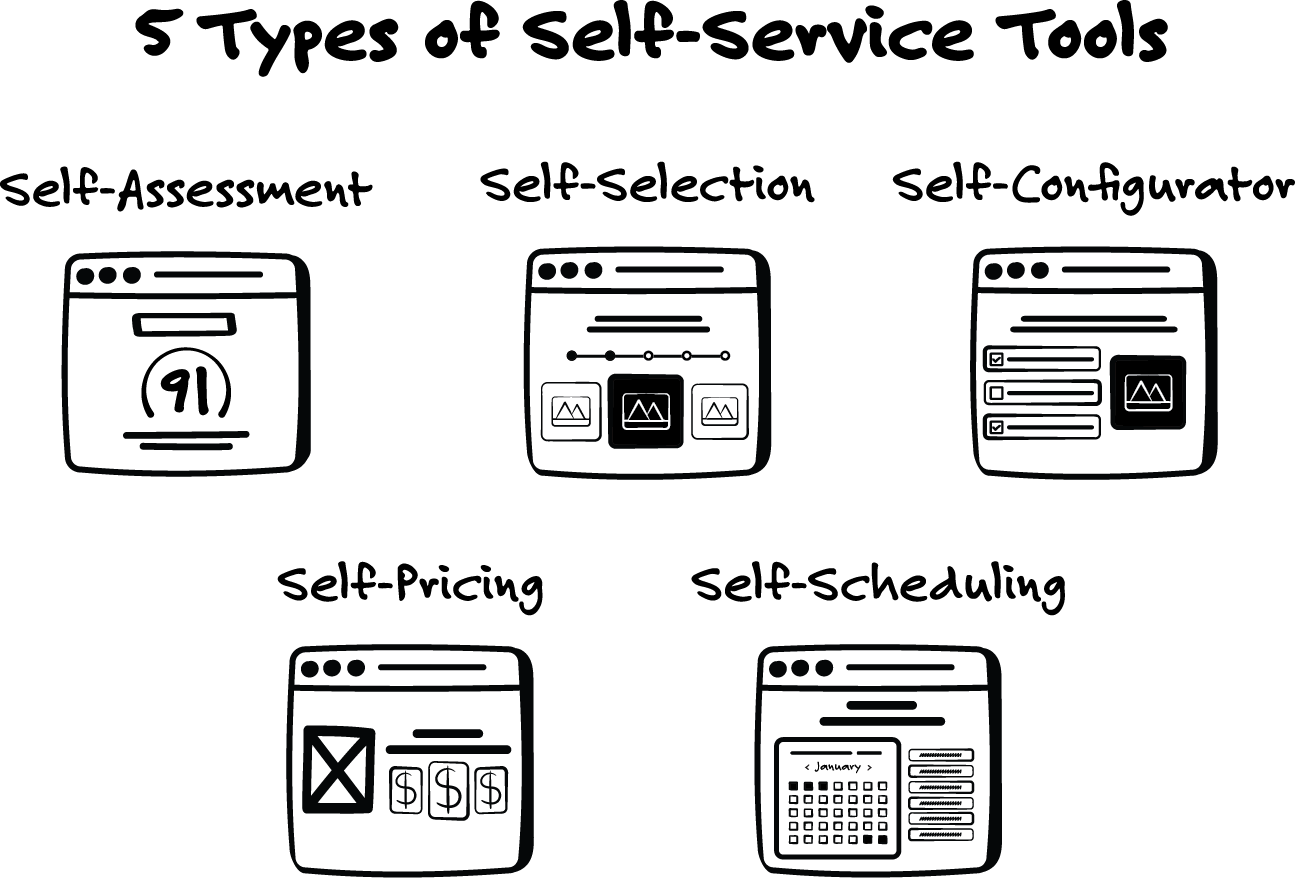
When your site helps buyers reach conclusions on their own and works without friction, serious buyers move forward faster, and they remember your brand as the safe choice.
How to Build a Brand People Want to Buy From, Not Just Recognize
We’re not here to throw anyone under the bus, but think about a few big brands you can’t stand. They’re everywhere, so their branding clearly “works” for recognition, but does that mean you actually want to buy from them?
Now think about the brands you actually love to buy from. Some might be small and local. You go back because they keep promises, own outcomes, and feel human.
That is the difference we’re after.
A buyable brand reduces risk and helps people decide. Here is how to build one.
Start with a promise you can keep. In one sentence, say what you do, who it is for, and the outcome you deliver. Use that same promise on your homepage, service pages, videos, sales calls, and proposals.
Put proof where decisions happen. Pair bold claims with visible evidence. Show before and after, use real customer quotes, and write policies in plain language. Name who on your team owns the outcome, while still being transparent enough to show the tradeoffs and limits so expectations match reality.
Lower the risk buyers feel. Say when you are not the best choice and offer alternatives. Show how you communicate during projects and how you handle mistakes. Make response times clear and show how escalation works.
Make action easy. Remove friction with five self service tools and let serious buyers explore on their own. Then give them one primary call to action and one helpful secondary option.
Keep the voice human. Use plain language and tell people exactly what to expect. Use real photos and short team bios so faces show up anywhere a decision is made. The tone should feel like a helpful person, not a corporate manual.
You will know your brand is buyable when prospects repeat your own language back to you. They show up excited to talk to you because they know who you are, and what they can expect from you.
How Can We Use Data and Feedback to Strengthen Our Brand Over Time?
As your brand grows stronger, you will see it in the numbers and hear it in the words buyers use. You don’t need a long dashboard to prove it.
 Start with a short list the whole team understands. Treat direct traffic and branded search as your baseline for being found, then focus on the signals that tell you buyers feel safe choosing you.
The clearest signals of trust live inside the buying journey. Look for deeper page consumption and stronger scroll depth on the pages that matter most, especially pricing, comparisons, and “problems” content.
Watch the videos on your site the way a buyer would and track both total watch time and the percentage viewed, with special attention on your 80% Video and core service videos.
Note what happens before the first call. If prospects arrive after reading several pages and finishing key videos, you are earning confidence before sales ever steps in.
Next, look at sales outcomes to confirm the lift. Time to first meeting, sales cycle length, and win rate should move in the right direction as buyers arrive better informed. Capture “How did you hear about us?” as an open text field on every form and ask it again on the first call. Tag the exact phrases buyers use so you can connect content to your pipeline. 
Customer proof will start to compound as well. Review volume should rise, including reviews you didn’t even have to request. The best reviews will get more specific, naming outcomes and details from your process rather than offering generic praise.
Referrals will start to account for a larger share of qualified opportunities and closed revenue because people trust what they have seen and experienced.
Make these data points part of a simple weekly Revenue Team meeting with sales and marketing together. Look at what moved and discuss why, share the top questions you heard and the moments where buyers hesitated, then choose one friction point to fix and the assets you need to create.
Over time, you will recognize the signals of a stronger brand. First calls begin with “I watched your video and read your pricing page,” not “So what do you do again?”
When those patterns show up month after month, you’re not just recognized, you are preferred.
Brand Building FAQs
Who inside my company should actually own the brand?
Everyone owns the brand. The CEO sets the brand culture, marketing stewards the message, and sales and service prove it every day with how they treat buyers. If there is misalignment in your organization, brand efforts will fail.
How long does it take to build a brand people truly trust?
Building a strong brand that people trust can take up to 24 months. In the first 3 months you’ll align the team, set the message, publish your first trust-building content, and fix website basics. By 6 months you’ll have a learning center running, video in place, a defined sales process, and Assignment Selling working. Around 12 months you should see clear lift in leads and sales, videos on core pages, and better decisions from data. By 18 months you’re mastering most principles and tuning the site and video cadence. By 24 months you’re seen as the safe leader in your space, with steady referrals and strong reviews.
How do I keep the brand consistent when multiple people create content?
Consistency comes from one playbook and one plan. Keep a simple brand and voice guide with your one-sentence promise, message pillars, and a few “sounds like us” examples, and give teams templates for pages, videos, and emails. Publish to one shared calendar and align in a weekly Revenue Team meeting so the message matches what sales is hearing. Assign who gives the quick final check before anything ships, and onboard new contributors with the guide and templates so tone and claims stay steady across every channel.
How do we start building our brand if our team’s not aligned yet?
Align your team first, then strengthen your brand. Get leadership, marketing, and sales in a room to agree on who you serve, the problem you solve, the outcome you deliver, and the promise you’ll keep everywhere. At IMPACT, we kick this off with Alignment Day to lock the plan and roles so execution starts fast.
How do we make sure the trust we build sticks long term?
Make trust a habit inside the company. Use a simple scorecard, hold regular Revenue Team meetings, and document your key processes and your “why” so the brand survives turnover. Onboard new hires with the promise, voice guide, and examples, and refresh core pages and videos on a set cadence. When the system lives beyond people, the trust you earn keeps compounding.
Next Steps for a More Trustworthy Brand
You’ve got a good business. Your customers like the work you do, but you likely came here because your brand isn’t showing that clearly enough yet. People find you, skim a few pages, and still aren’t sure if you’re the safe choice.
Make trust the goal of every touch by saying what others won’t, showing how the work really gets done, selling with clear steps and plain pricing, and keeping the voice human across your site, videos, emails, and calls.
When you do this, buyers feel safe choosing you, sales cycles get shorter, and win rates climb.
If we haven’t met, we’re IMPACT. We coach teams to build brands people trust so growth isn’t held back by doubt. We’ll help you align leadership, marketing, and sales, then build the habits and content in-house so the results last. We’ll help you become the most known and trusted brand in your market.
If you’d like a guided plan and steady accountability, explore our coaching program. We’ll map the steps with you, coach your team through the work, and help you turn trust into more qualified pipeline, better margins, and customers who choose you first.
Additional Resources
Additional Resources
/Assets/Icon%20Library/learning-center/pillar.svg) How to Build a Brand That Buyers Trust (and Remember)
How to Build a Brand That Buyers Trust (and Remember)
/Assets/Icon%20Library/learning-center/Podcast.svg) How Can You Get More Customer Reviews Than Your Competitors?
How Can You Get More Customer Reviews Than Your Competitors?

This article was produced as a collective effort of the IMPACT Team and is regularly updated.
Table of Contents
Share
/Assets/Icon%20Library/social/linkedin-logo.svg)
/Assets/Icon%20Library/social/x%20corp.svg)
/Assets/Icon%20Library/social/mail-to.svg)
/Assets/base/Learning%20Center%20Resource%20Category%20Icons/Website%20link.svg)
Additional Resources
Additional Resources