
/Assets/arrow-facing-left--black-01.svg)
/Assets/navigation-global--close-symbol-black-01-1.svg)

/Assets/Icon%20Library/social/facebook-logo.svg)

/Assets/Icon%20Library/social/instagram-logo.svg)
/Assets/Icon%20Library/social/youtube-logo.svg)






The way people make buying decisions has changed. Buyers are more informed, skeptical, and self-sufficient than ever before.
According to Gartner, 61% of B2B buyers prefer a rep-free buying experience. And in both B2B and B2C, 80% of the buying process is completed before a prospect even talks to sales. Buyers come to the table with research, comparisons, and clear expectations.
That means your sales teams are no longer in control. The role of the salesperson has shifted to that of the helpful guide to support buyers as they make confident, informed decisions. The traditional sales process is outdated, and the future lies in a sales process optimization strategy that aligns with the buyer’s journey.
This is a core element of the Endless Customers System™, where we help business leaders, owners, and CEOs lead thriving sales teams that build trust and win more customers.
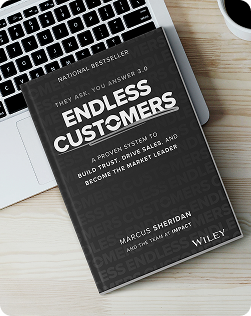
FREE BOOK PREVIEW
Endless Customers Special Preview Edition
Get a taste of the book that brings you a proven system to build trust, drive sales, and become the market leader. This special preview edition has select chapters and The Four Pillars of a Known and Trusted Brand, resources to accelerate your success, and more.
In this article, we’ll explore how to adapt your sales process to follow the modern buyer’s journey using strategies like self-service tools, Assignment Selling, radical transparency, and a mindset shift that empowers both your team and your customers.
Why the Buyer’s Journey Matters More Than Ever in 2026
The shift to a buyer-led journey isn’t just a passing trend. Buyers now expect a seamless, efficient process with quick access to answers and a chance to evaluate options at their own pace.
They aren’t looking for a sales pitch. They are looking for confirmation that their research brought them to the right solution.
To succeed, sales teams must shift their mindset from control to support. It’s about offering the right resources, empowering buyers, and guiding them to their best-fit decision.
Why this buyer shift can feel frustrating…
If you’re a business or sales leader, this change in buyer behavior probably doesn’t feel theoretical. You’re seeing it more and more every day.
Prospects show up with strong opinions, half-formed assumptions, and questions shaped by Google, AI tools, and competitors’ websites. Some people go silent after proposals. Others push back on price before you’ve even explained your process or value.
It’s not that your team forgot how to sell. It’s that the buyer’s journey has changed, and your sales process may not have changed with it.
What a Buyer-Led Sales Process Looks Like Inside Your Sales Team
When the sales process complements the buyer’s journey, it shows up in how your team runs calls, communicates with prospects, and uses content every single day.
Instead of relying on pressure and persuasion, they help the buyer get the answers they need when they need them. The results are a happier, more confident buyer.
This is what that looks like in practice:
Before They Ever Talk to You: The Research Phase
Long before a prospect ever books a call with your team, they’ve already started forming opinions about your company. From Google search, AI recommendations, reviews, and social media, they’ve likely started building a case in favor of or against you.
This is why modern sales processes must account for the research and self-service stage of the buyer’s journey. People expect that they can explore options, get rough pricing, and evaluate fit on their own time.
Create the Right Content with the Big 5™
In order to get found during the research stage, your blog content needs to cover five important areas that answer the biggest questions buyers have before making a purchase.
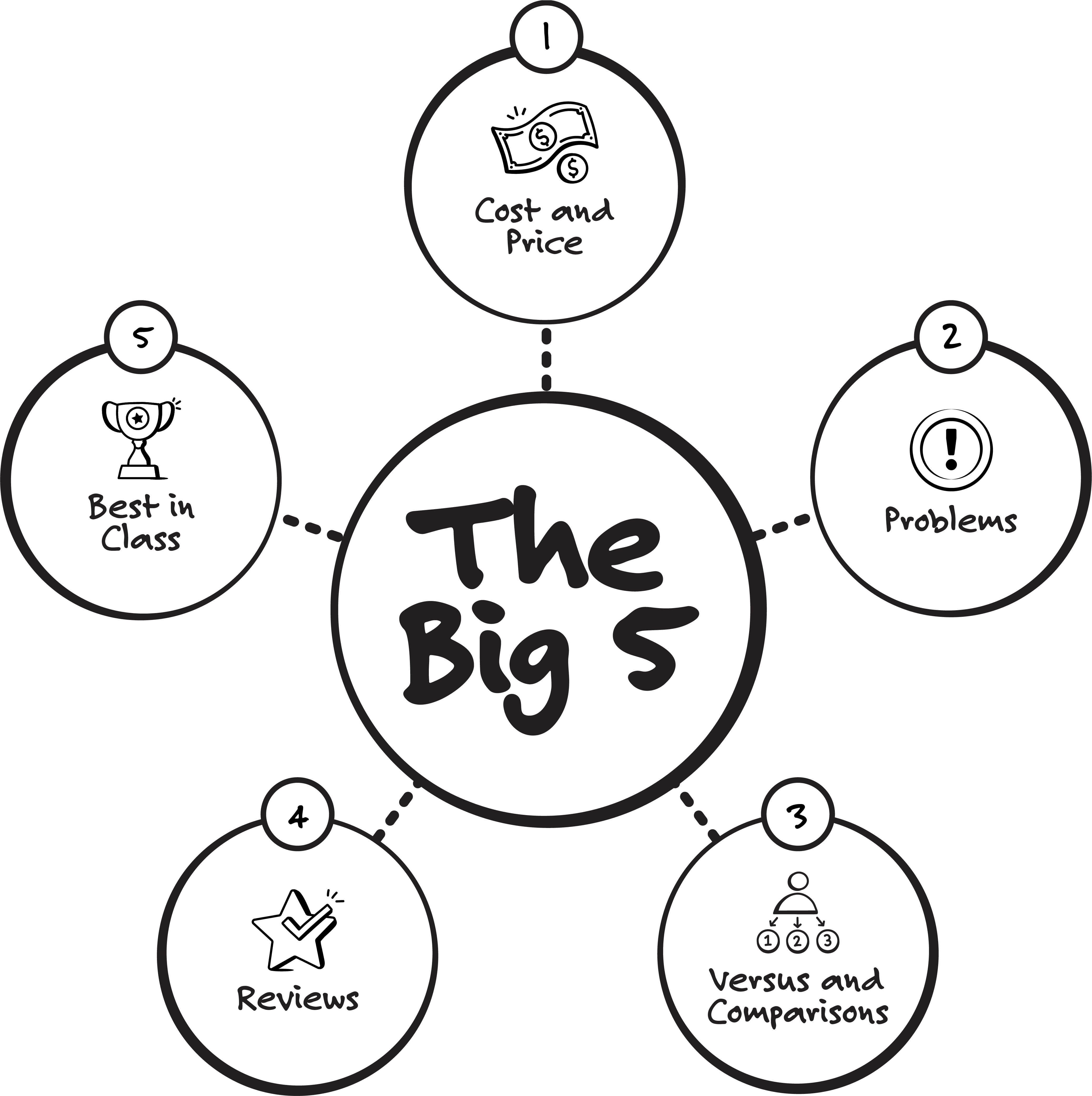
Together, we call these five topics The Big 5™, and it's a key framework of the Endless Customer System™.
-
Cost & Price: Everyone wants to know what they can expect to pay. They also want to understand what constitutes “value.” Such behavior is universal amongst all buyers.
-
Problems: A desire to buy something is often accompanied by fears and worries. What are the drawbacks? How could this purchase go wrong?
-
Versus & Comparisons: We love to compare. It’s how we make informed decisions, stacking one option against another to find the best solution for our needs.
-
Reviews: We want the good, the bad, and the ugly. And importantly, we want to know who a product or service is and is not a good fit for.
-
Best in Class: We search for the “best”, “most”, “top”, or whatever extreme we can find.
Even though we might not end up buying “the best,” we at least want to be able to have a clear sense of our full suite of options.
The Big 5 are the five topics that, as buyers, we all want to learn more about when getting ready to make a major purchase.
Think about all those times you went to a website, and they didn't address their pricing or how different options compare against one another. If you're like most people, you likely hit the back button in search of a different company that tells you their price and actually answers your most important questions.
Yet, the Big 5™ topics are the very topics that most businesses avoid talking about publicly on their websites and in their content. Then they wonder why they're not getting quality leads.
The Big 5™ solves that problem.
To learn more about The Big 5™ and the impact they can have on your revenue-generating activities, check out our article “What is the Big 5™? (The 5 Content Topics That Grow Your Business)”
Add Self-Service Tools to Your Website
These tools give prospective buyers the chance to self-qualify, narrow down their search, and start visualizing their results.
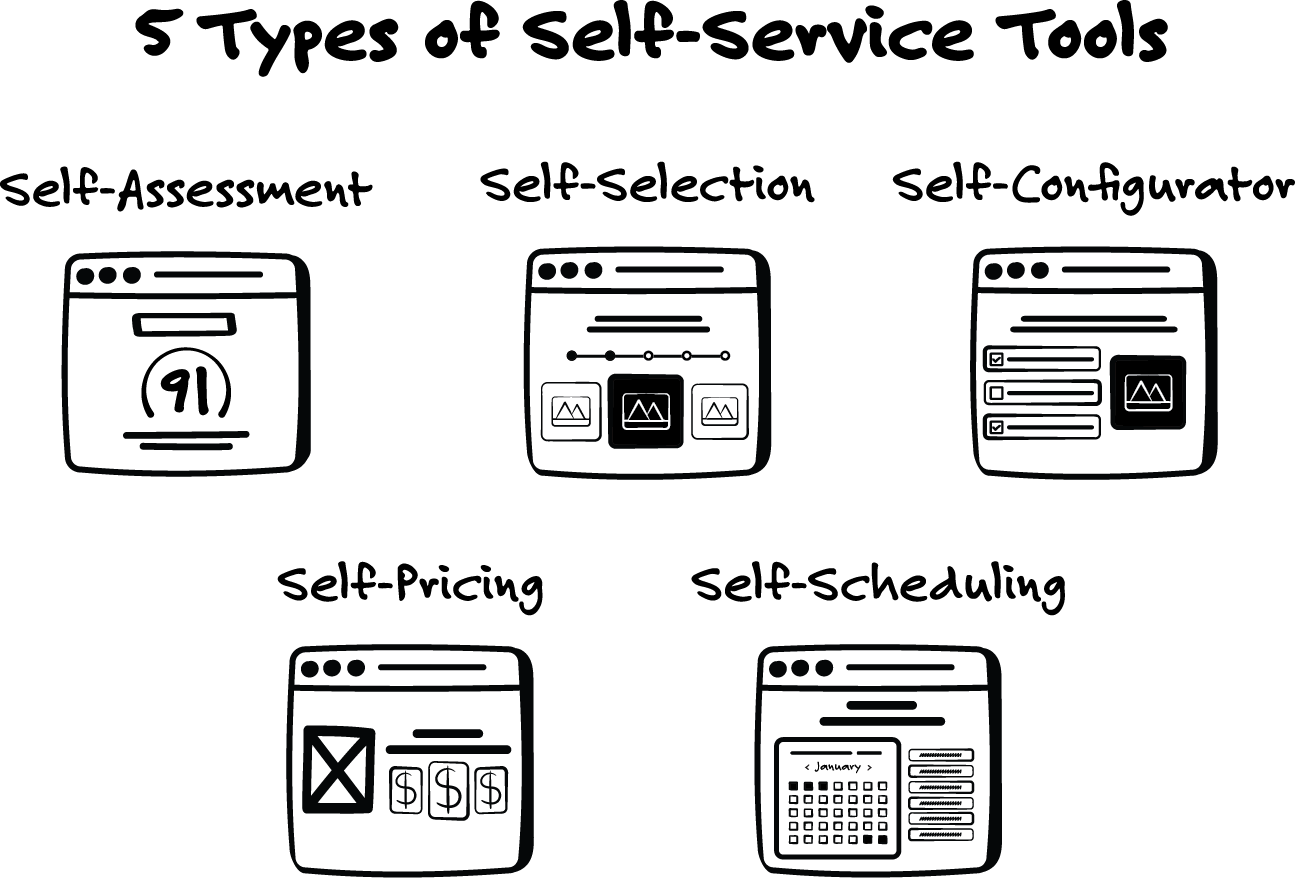
They might look like:
-
Self-Assessment: These tools, like quizzes or scorecards, allow buyers to assess their needs and challenges. They provide personalized insights and recommendations, empowering prospects with clear next steps before ever speaking to your sales team.
-
Self-Selection: Help overwhelmed buyers find exactly what they need. These interactive tools ask targeted questions to guide prospects to their ideal solution, building trust through personalized recommendations rather than overwhelming them with options.
-
Self-Configurator: Buyers want to visualize how a product or service will fit into their world. These tools allow them to personalize and configure options, turning abstract possibilities into concrete plans and deepening their investment in the outcome.
-
Self-Scheduling: By removing the back-and-forth of scheduling, these tools give buyers control over setting appointments or demos. They streamline the process, create a frictionless experience, and even allow prospects to choose the team member they want to meet.
-
Self-Pricing: The most important on the list, pricing calculators and estimators give buyers the transparency they crave. By providing ranges or estimates, these tools set clear expectations and reduce friction, establishing trust and moving buyers closer to a purchase decision.
To see examples of each self-service tool, check out our resource: The Business Case for Self-Service Tools: What to Build and Why. You’ll learn the five main self-service tool types, what each one looks like in practice, and how to pick the right starting point based on how your buyers want to research and decide.
These experiences allow buyers to answer early questions without needing to schedule a call just yet. By the time they do reach out, they’re more informed, more invested, and more likely to be a good fit.
For your sales team, this means fewer unqualified calls and more conversations with buyers who are ready to move forward.
Before the first call: Educating, not chasing
Once a prospect commits to a call, your sales team steps up as the helpful guide for the rest of the buyer’s journey. But the research and education don’t stop after the buyer’s original quest for knowledge.
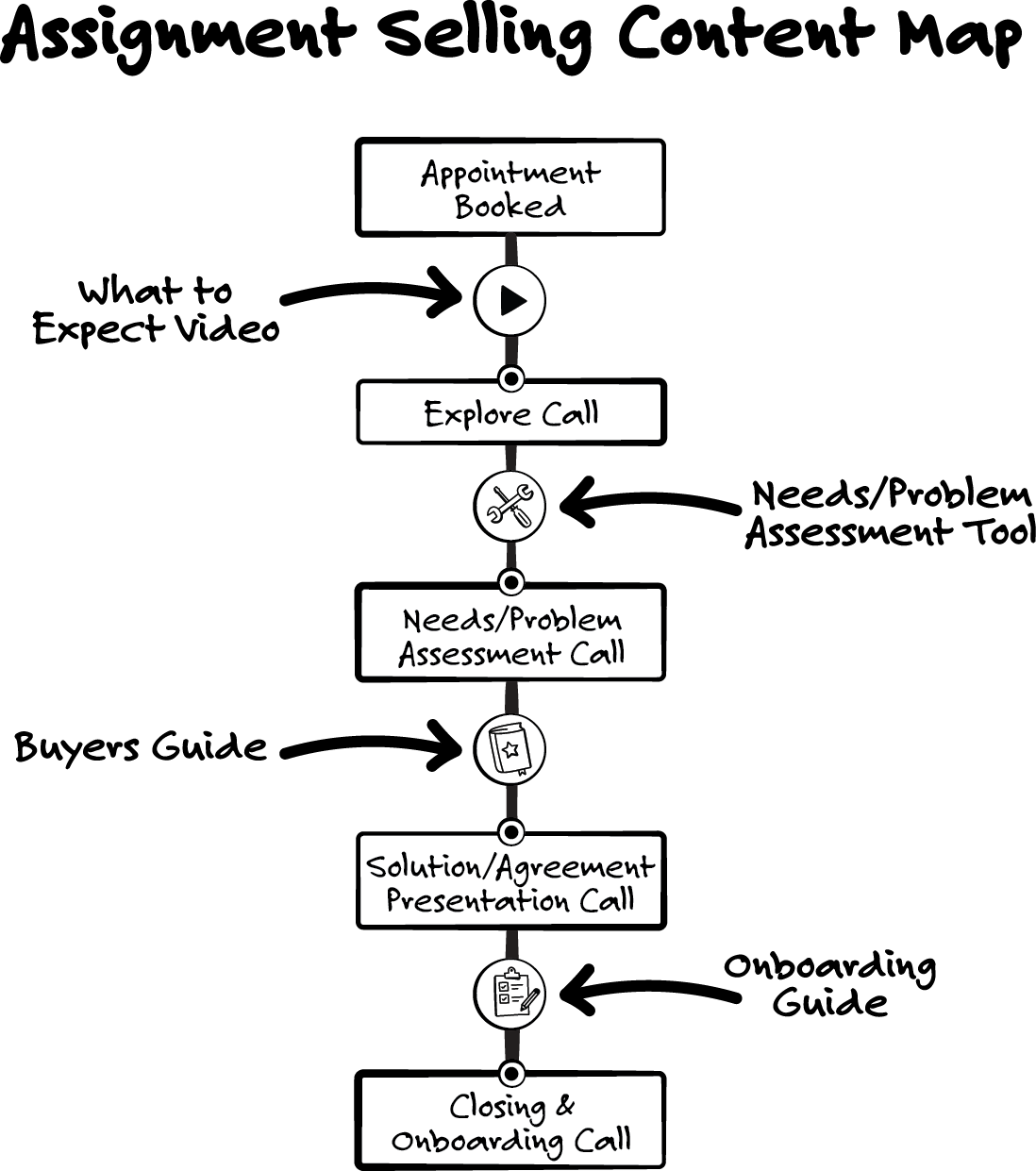
Now, it shifts to your ability to provide relevant resources that match the buyer’s current needs, questions, and objections. The goal is to empower customers with confidence to make educated decisions. In the Endless Customers System™, we refer to this as Assignment Selling.
With Assignment Selling, you save everyone time by sending resources ahead of that first meeting to educate your buyer. For example:
-
A pricing article explaining the cost and price of your products and services
-
A “good fit / bad fit” guide
-
An explainer video of your process
A simple message like:
“Before we meet, take 10-15 minutes to review these resources. They’ll answer the most common questions and help us use our time together more effectively.”
When that call begins, the rep doesn’t dive into a pitch. Instead, they ask:
“What stood out to you in the materials I sent?”
Now the conversation is focused, efficient, and driven by the buyer’s priorities.
During the sales conversation: Guiding the decision
In a buyer-led process, the conversation is built around the buyer’s goals, challenges, and priorities.
The best salespeople understand that strong discovery is the foundation of every successful deal. They ask thoughtful questions to understand what the prospect is trying to achieve, what obstacles they’re facing, and what success looks like for them.
Instead of jumping straight into a presentation, they use what they learn to position the solution in context. Every recommendation connects directly back to the buyer’s stated goals and challenges.
The rep’s job is to:
-
Spend more time actively listening
-
Use content to address concerns
-
Point the buyer to specific resources after the call
-
Focus on fit, not just closing
For example, if a buyer is concerned about cost, the rep might say:
“That’s a common concern. I’m going to send you a short article that explains what makes a project more or less expensive. Once you review it, we can talk through what that might look like in your situation.”
This removes pressure and replaces it with clarity.
Between calls: Content replaces follow-up pressure
We’ve all been hit with sales emails that start:
“Just checking in…”
“Wanted to see if you had any questions…”
“Are you still interested?”
These overused messages rarely move the deal forward.
What your sales team should always be on the lookout for are the objections and options/features that are the most important to this particular buyer. This now gives them the ability to connect that buyer with real, valuable resources created by your team that match exactly where they are in their journey.
After learning how to implement content into his sales process, Zach Tracey, Territory Manager at Strouse Manufacturing, said, “I send content before every call now. It sets the tone and gets people thinking more clearly. They come into the meeting already understanding key points.”
This is the intersection of sales and marketing taught in the Endless Customers System™. When marketing creates content that answers real customer questions, sales teams can incorporate this into their sales follow-up process in a way that’s helpful, not pushy.
Examples of types of content sales teams can use:
-
Articles
-
Short videos
-
Case studies
-
Comparison guides
-
Process breakdowns
When resources are tailored to the needs of the buyer, you build trust and confidence to move on to the next stage of the sales process.
Check out our resource: How to Create Sales Enablement Content That Drives Revenue. This will help you learn how to align your marketing and sales teams to create content that’s actually useful.
At the decision stage: Clarity of closing tactics
Avoid the urge to rely on urgency, discounts, and pressure to close when it’s not relevant.
A buyer-led process focuses on clarity and confidence.
At this stage, the rep might:
-
Review a detailed scope or proposal via video or online call
-
Walk through risks and potential challenges
-
Share examples of both successful and unsuccessful engagements
-
Confirm whether the solution is the right fit
Sometimes, this even means recommending a different path.
This kind of honesty builds trust and increases close rates with the right customers.
What changes inside the sales team
When companies adopt a buyer-led sales approach, a few key things start to happen:
-
Sales calls become shorter and more productive
-
Reps experience fewer “ghosted” calls
-
Close rates improve with better-fit customers
-
Sales cycles become more predictable
-
Sales and marketing work from the same content strategy
Most importantly, the sales team stops feeling like they have to “convince” anyone. They simply help buyers make smart decisions.
How to Start the Shift to a Buyer-Led Sales Process
If your current sales process still relies on pitches, follow-up pressure, and last-minute objections, don’t feel like you have to rebuild overnight. These focused changes can start moving your team in the right direction.
-
Map your current sales process to the buyer’s journey.
Identify where buyers are asking the same questions over and over again.
-
Create content that answers your most common sales questions.
Start with pricing, process, comparison, and good fit/bad fit topics.
-
Train your sales team to use Assignment Selling.
Make content part of your standard process, not just an optional step.
-
Replace generic follow-up with helpful resources.
Every email should move the buyer closer to a confident decision.
-
Align sales and marketing around the same goals.
Content should exist to help sales close deals, not just generate traffic.
What Happens If You Don’t Change Your Sales Process
You can keep your sales process just the way it is, but most companies start to see the impact in longer sales cycles and less predictable forecasts.
More deals begin to stall late in the process, even when early conversations felt promising. Your team spends more time following up and less time moving qualified buyers forward.
At the same time, buyers are forming stronger opinions earlier. If your process doesn’t meet them there, the evaluation happens without your input through AI summaries, review sites, and competitor content you don’t control.
Companies that delay this shift rarely see a sudden drop. What they see instead is growing unpredictability.
The organizations that address it early tend to regain control of their pipeline, their messaging, and their growth trajectory.
The Future of Sales is Buyer-Led
Today’s buyers want clear answers, honest guidance, and the confidence to make the right decision (primarily on their own).
When your sales process aligns with the buyer’s journey, deals move faster, conversations improve, and your team closes more of the right customers. Instead of pushing prospects forward, you help them move at their own pace with the information they need.
If you want to build a sales process that earns trust with your buyers and creates consistent growth, learn how the Endless Customers Coaching Program can help your business become the most known, trusted, and recommended brand in your market.
Learn How to Make It Happen
The Endless Customers Coaching Program
If your marketing isn’t delivering and you’re ready for a proven, future-ready system built for the age of AI (one your team can run in-house) check out our coaching program.

Written By
Bob Ruffolo founded IMPACT in 2009 and has led it as CEO ever since. What started as a simple web design company has grown into a business coaching and training company that helps leaders and their teams get better at sales, marketing, communication, and leadership. IMPACT has been a HubSpot partner since 2011, one of HubSpot's first, and today is a HubSpot Diamond Solutions Partner, twice named HubSpot Partner of the Year and a four-time Inc. 5000 honoree (2018 to 2021). Bob himself has been recognized as a 40 Under 40 winner and named to Glassdoor's Best CEO for Small Businesses list. Bob is the co-creator of the Endless Customers System with Marcus Sheridan, the methodology behind IMPACT's coaching, the USA Today bestselling book, the Endless Customers podcast, and the annual Endless Customers Live conference. It teaches companies to build marketing and sales capability in-house rather than outsourcing it indefinitely. In recent years Bob has led IMPACT's shift to an AI-first company and become a go-to voice for leaders trying to understand what AI means for marketing, sales, and the workforce.
Bob Ruffolo founded IMPACT in 2009 and has led it as CEO ever since. What started as a simple web design company has grown into a business coaching and training company that helps leaders and their teams get better at sales, marketing, communication, and leadership. IMPACT has been a HubSpot partner since 2011, one of HubSpot's first, and today is a HubSpot Diamond Solutions Partner, twice named HubSpot Partner of the Year and a four-time Inc. 5000 honoree (2018 to 2021). Bob himself has been recognized as a 40 Under 40 winner and named to Glassdoor's Best CEO for Small Businesses list. Bob is the co-creator of the Endless Customers System with Marcus Sheridan, the methodology behind IMPACT's coaching, the USA Today bestselling book, the Endless Customers podcast, and the annual Endless Customers Live conference. It teaches companies to build marketing and sales capability in-house rather than outsourcing it indefinitely. In recent years Bob has led IMPACT's shift to an AI-first company and become a go-to voice for leaders trying to understand what AI means for marketing, sales, and the workforce.
/Assets/Icon%20Library/social/linkedin-logo.svg)
Share
/Assets/Icon%20Library/social/x%20corp.svg)
/Assets/Icon%20Library/social/mail-to.svg)
/Assets/base/Learning%20Center%20Resource%20Category%20Icons/Website%20link.svg)
NEED HELP WITH YOUR SALES PROCESS?
If you’re looking to improve your sales process and not sure where to start, IMPACT can help. We’ll guide you on how to structure the right team, use strategic content to build trust, and drive real results.
NEED HELP WITH YOUR SALES PROCESS?
If you’re looking to improve your sales process and not sure where to start, IMPACT can help. We’ll guide you on how to structure the right team, use strategic content to build trust, and drive real results.