
/Assets/arrow-facing-left--black-01.svg)
/Assets/navigation-global--close-symbol-black-01-1.svg)

/Assets/Icon%20Library/social/facebook-logo.svg)

/Assets/Icon%20Library/social/instagram-logo.svg)
/Assets/Icon%20Library/social/youtube-logo.svg)





I've mentioned this on multiple occasions, but one of my biggest gripes about the content marketing world is that we spend so much time talking about how important creating quality, revenue-generating content is to our strategies, but we rarely show what high-quality blog content looks like.
Sure, I stumble across the occasional article that says, "Oh, yeah, here are a few blog post ideas to consider, and don't forget your call-to-action!"
For the most part, however, we digital marketers are left to our own devices to figure out how the proverbial blog content sausage gets made — almost always without a roadmap or guide to show us what our end product should look like.
We sit down at our keyboards, blog topic mentally "in hand," and hope that what we produce will answer the most pressing questions and concerns our readers have, in a way that is visually pleasing to look at and captures attention.
As IMPACT's editor-in-chief, this is one of the most common questions I address with internal and external contributors:
"I know what I need to write about, but I don't know what the end product should look like. Do you have any blog post examples that I can look at?"
Whether you are just now planning to start a blog for your business or you're a digital marketer who has been blogging for some time on behalf of companies, my goal in this article is simple:
To make your lives much, much easier — and to make creating revenue-generating blog content fun (really!) — by showcasing a broad range of world-class blog post examples across a variety of industries and subjects. For ease of use, I've broken up this list by blog post category.
🔎 Related: 'The Big 5' blog topics guaranteed to drive traffic, leads, and sales
I've hand-selected the articles below, as each of them is a case study in how to write great blog posts that not only engage readers, but also help move the needle on some aggressive digital sales and marketing goals.
Also, I highly recommend that you bookmark this link, as I will continue to update it over time, so this becomes an evergreen resource for all digital marketers and content managers.
OK, let's dive in!
Examples of pricing and cost blog articles
It used to be that you could gloss over conversations about pricing and cost in marketing materials the way one might sidestep politics and religion at the Thanksgiving dinner table.
But today's modern digital consumers are no longer content with vague "request a quote" forms. In fact, they expect to be able to easily find content about pricing and cost expectations for something they're considering purchasing online without ever having to speak with a human being.
Just think about the last time you made a big purchase and how frustrating it was when you couldn't find pricing information.
For example, I recently replaced the entire fence at my house. It was only later that I realized I mentally disqualified any vendor who didn't have some form of pricing information on their website. Either as a blog post article or on a more clear-cut product pricing page.
Of course, often the answer to the question of how much something costs is, "It depends," but that doesn't mean you can't create informative blog post content about pricing and cost, wherein you describe the factors and variables that drive the cost of a particular product or service up and down.
But don't take my word for it. Here are a few fantastic examples that show it's not only possible, but also profitable to create pricing and cost-based blog posts:
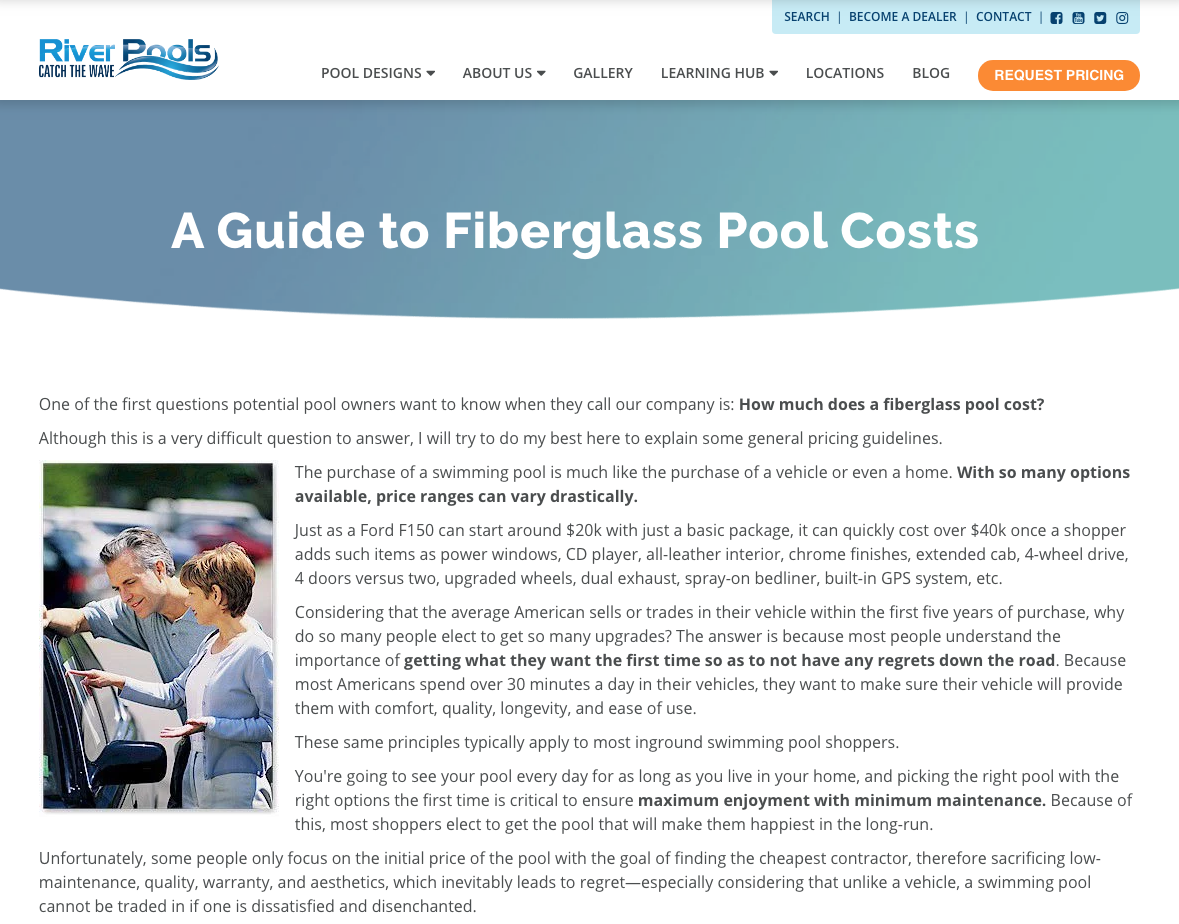
How Much Do Fiberglass Pools Cost? (River Pools & Spas)
There is no simple answer to this question, but they do a beautiful job of showcasing how to talk about the pricing of a product with tons of variables. Basically, it's the one-stop shop for any consumer who is considering a fiberglass pool and needs to develop a deep understanding of the financial variables that will influence the ultimate price tag for their potential pool project.
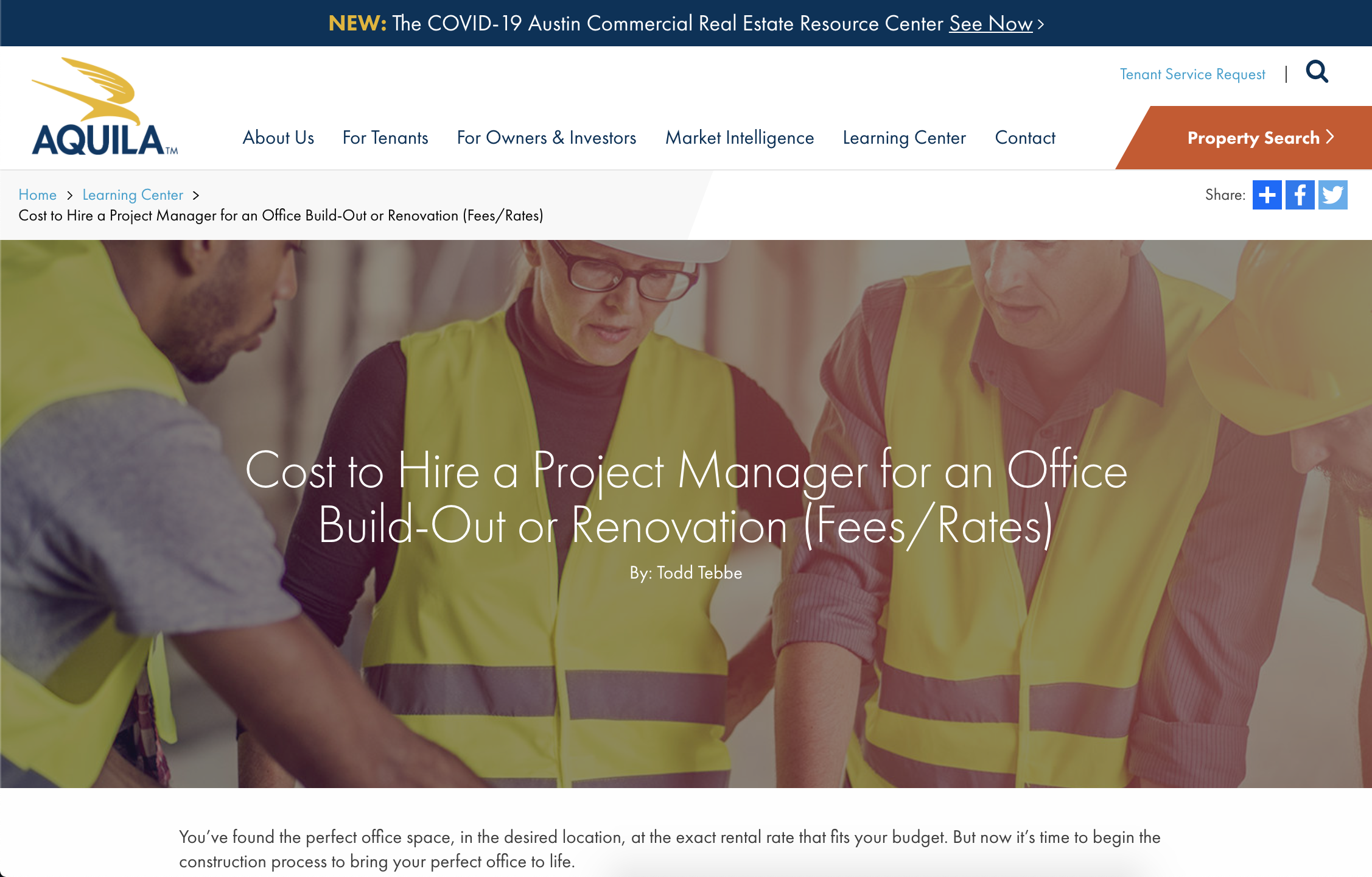
What I love about this article is that it deals with that textbook answer of "It depends," and then showcases how you can answer that question in a detailed way that still leaves an audience feeling more knowledgeable than ever before. They even included a video!
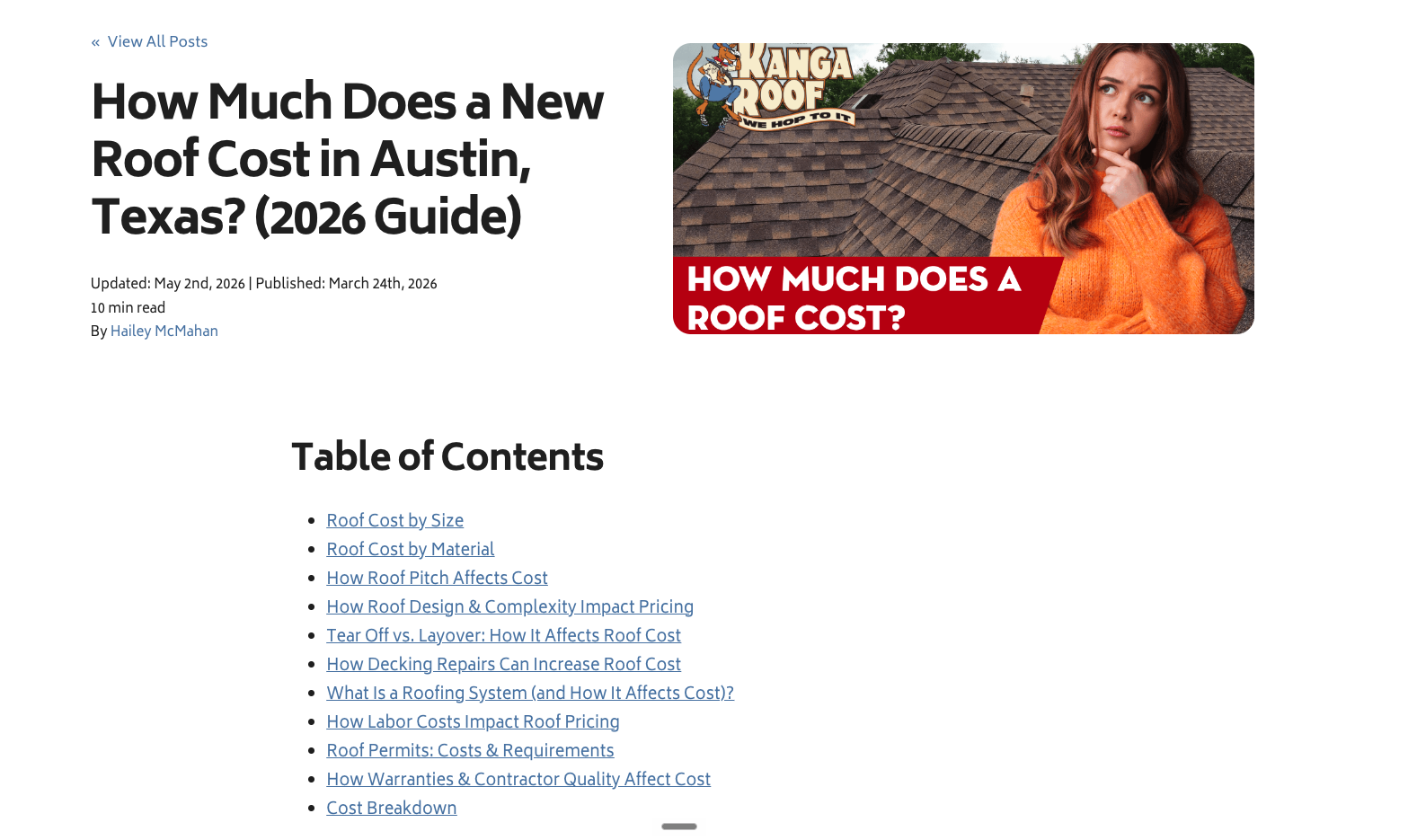
There's a lot to love about this article from KangaRoof in Austin, Texas. They take what's a very intimidating purchase with tons of variables and lay everything out in an easy-to-read way. From videos to tables and visuals, this article is a valuable tool for anyone considering a roof in their market.
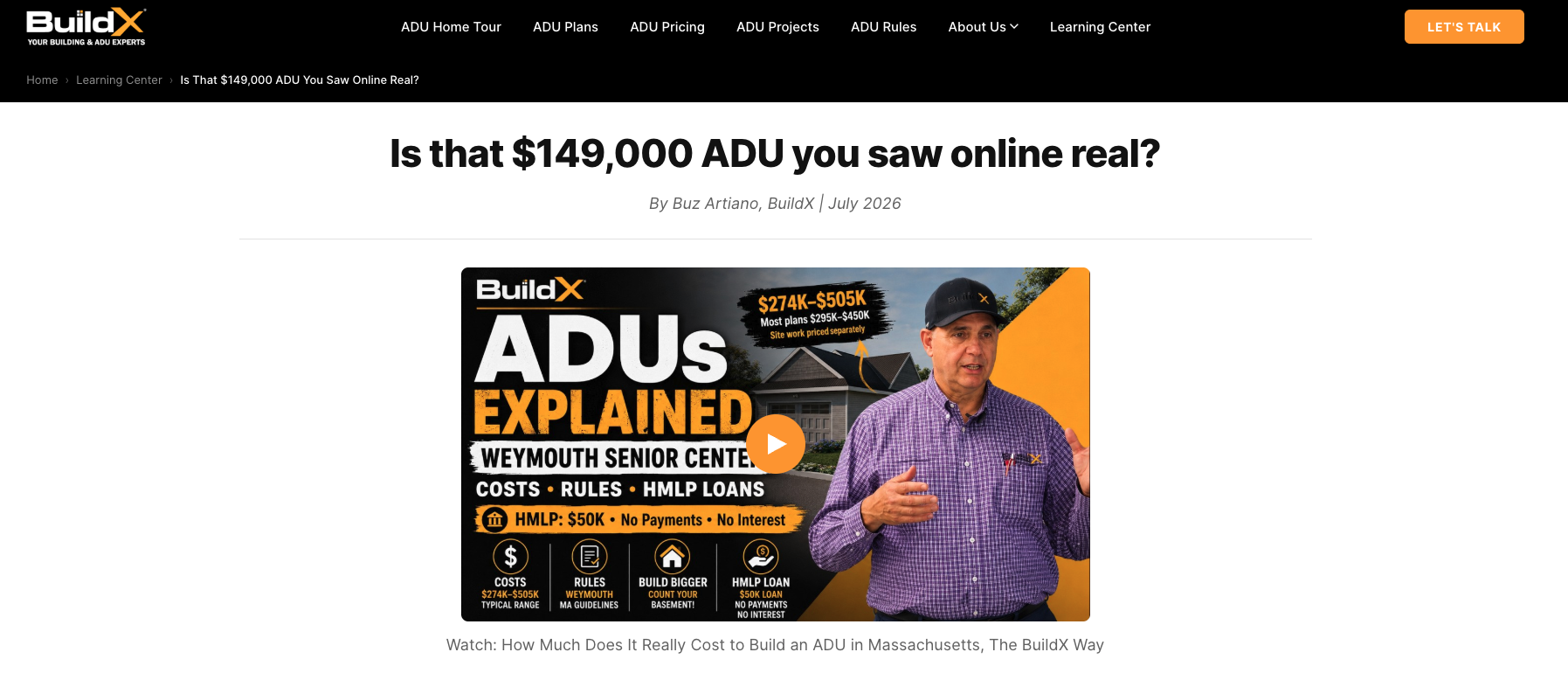
Not every pricing or cost article needs to be about your services alone. Take this example from BuildX. They build accessory dwelling units (ADUs), and they often tackle industry misinformation about costs for these types of builds.
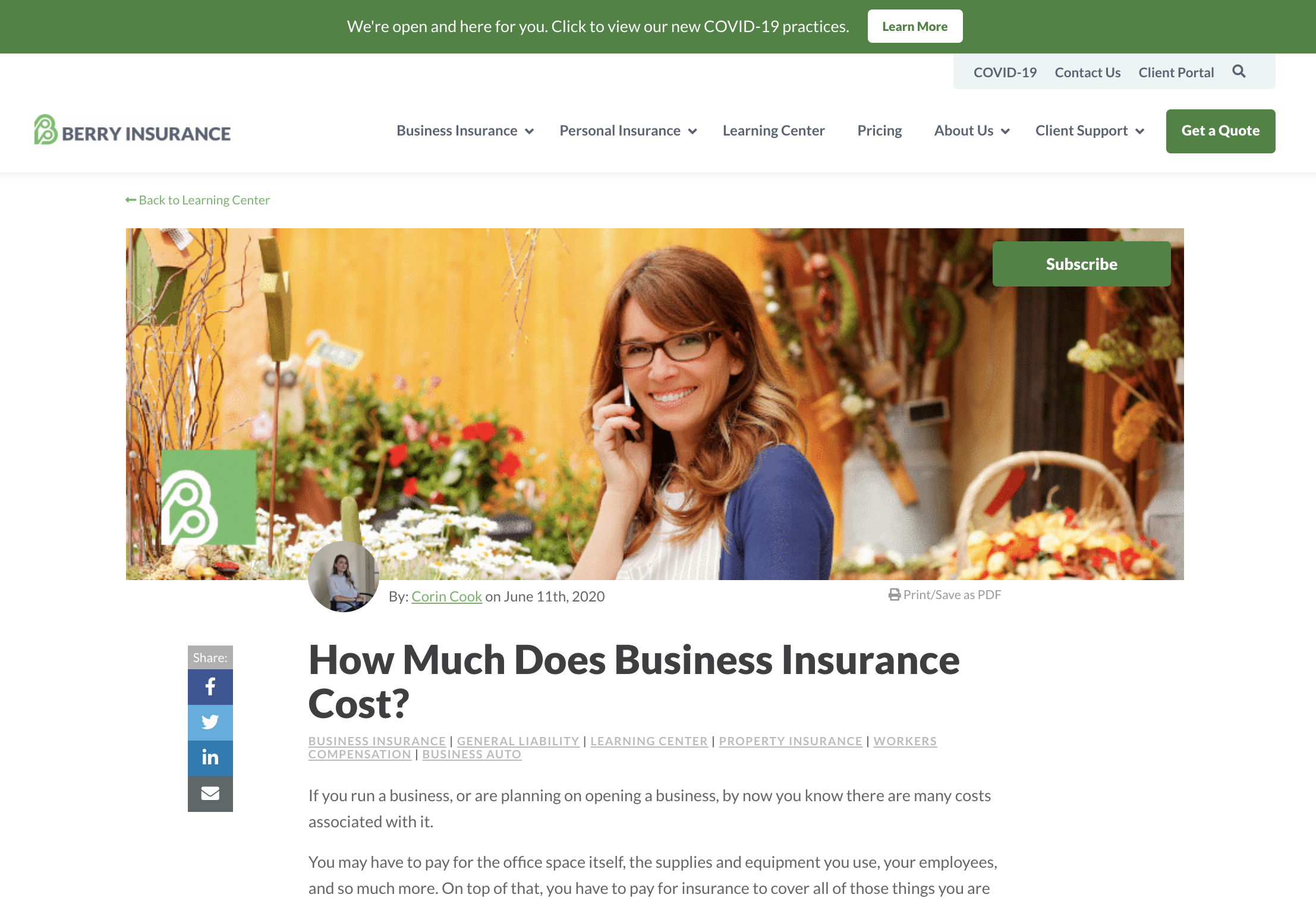
How much does business insurance cost? (Berry Insurance)
Berry Insurance's pricing page alone is a shining beacon of an example for businesses who are concerned the pricing of their products/services is too complicated, too variable, or too impossible to pin down.
And this blog article is a continuation of how great they are at creating super valuable, actually educational content about cost for a service that is, quite frankly, kind of challenging to explain and understand without feeling like someone is trying to be wishy-washy.

Free Assessment
Free Marketing Assessment: Where do you stand?
AI is changing how buyers find businesses, and most companies are dangerously underprepared. Take this free assessment and find out if yours is at risk of becoming invisible to your buyers.
Examples of product and service problems blog posts
You know what your buyers want to avoid more than anything else in this entire world? Buyer's remorse. They don't want to make a big investment in any products or services, only to have that decision blow up in their face, because they didn't do enough research.
Enter stage left, the urgent need for you to be creating blog post articles about problems with your products and services. And no, there are no industries exempt from this.
When we say you need to write about problems, there are two types of problems we're referring to:
- Problems explicitly with a service or solution; OR
- Problems someone might experience through the course of their duties or in relation to whatever problems your products or services might solve.
Let's look at some examples to show you what I mean by these two different categories of problems, and what those articles look like in practice.
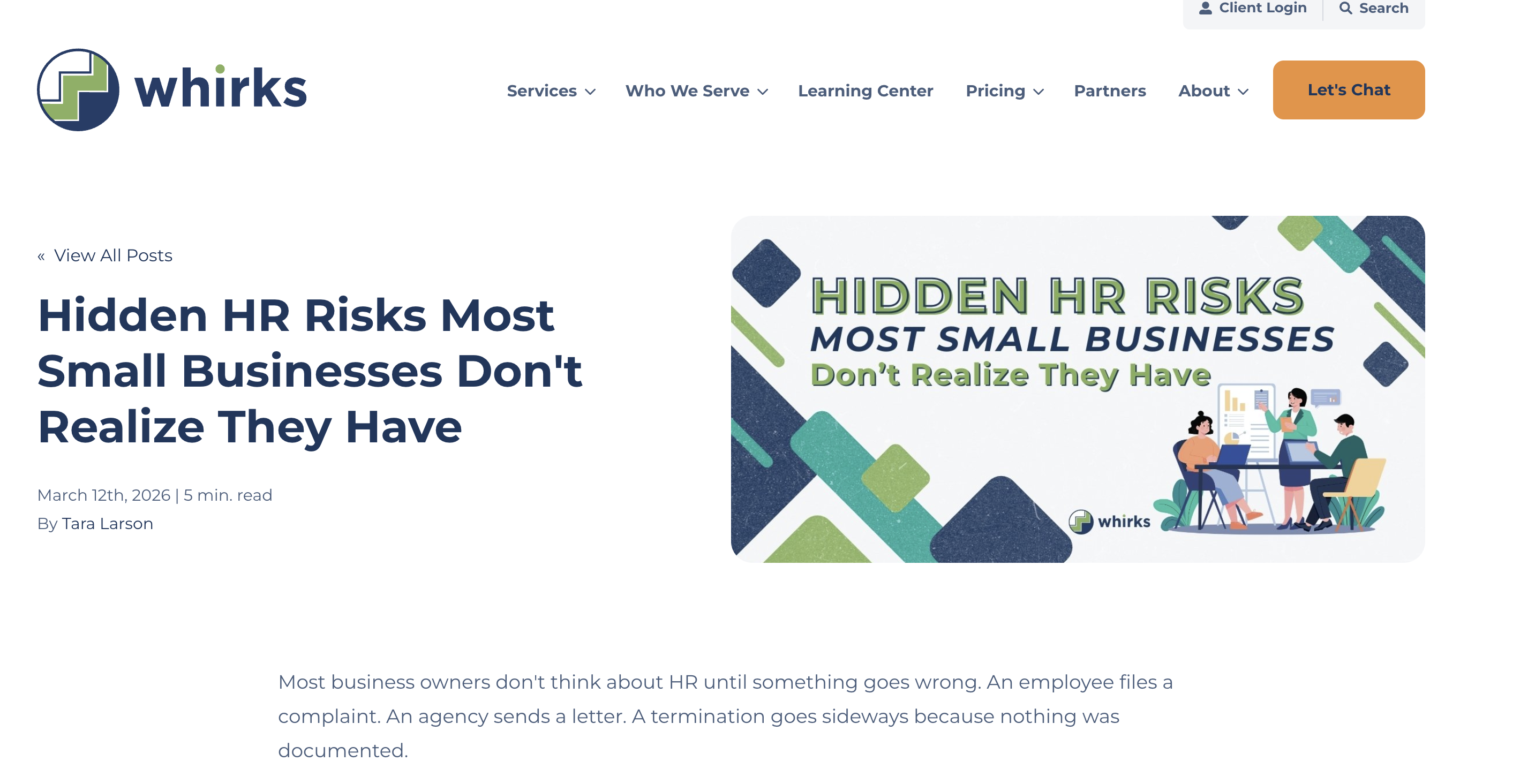
Whirks is a payroll, HR, and benefits company dedicated to a level of transparency that can be hard to find in the industry. By answering the hard questions, small business owners can start building confidence around what can be an intimidating topic. As they build confidence, they also build trust with Whirks as an industry thought leader.
Problem articles help you do just that: build thought-leadership, showcase empathy, and create confident buyers who are ready to work with you.
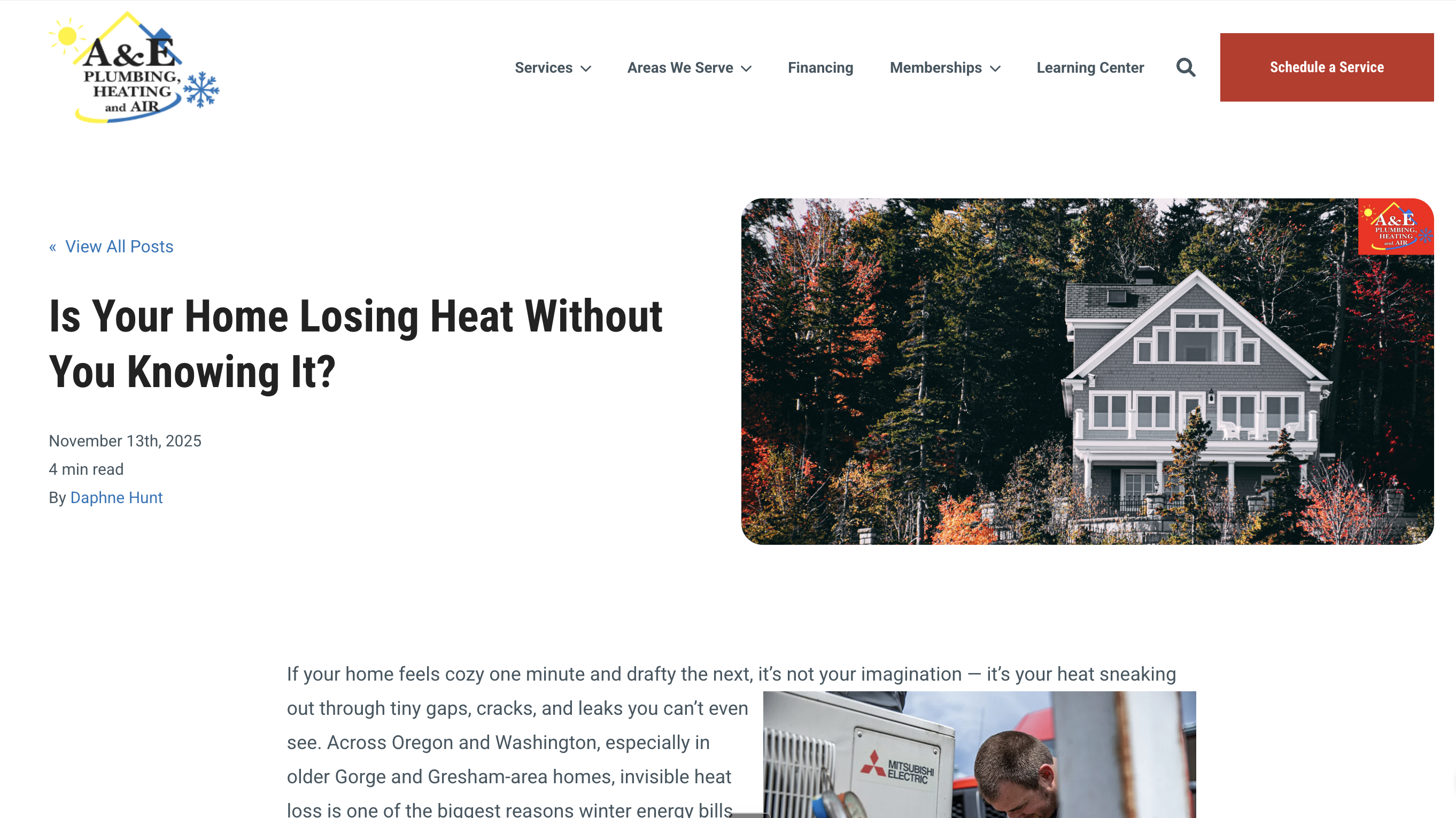
If you're a homeowner, that title alone probably put fear in your heart. Is your home losing heat? Yikes. Thankfully, articles like these exist that answer the questions you have and the ones you didn't even know you should be asking.
A&E Plumbing, Heating, and Air does a great job of addressing all of the problems that come with homeownership in a way that doesn't feel scary, but empowering for homeowners. Knowing when you do and don't need help is a huge trust builder.
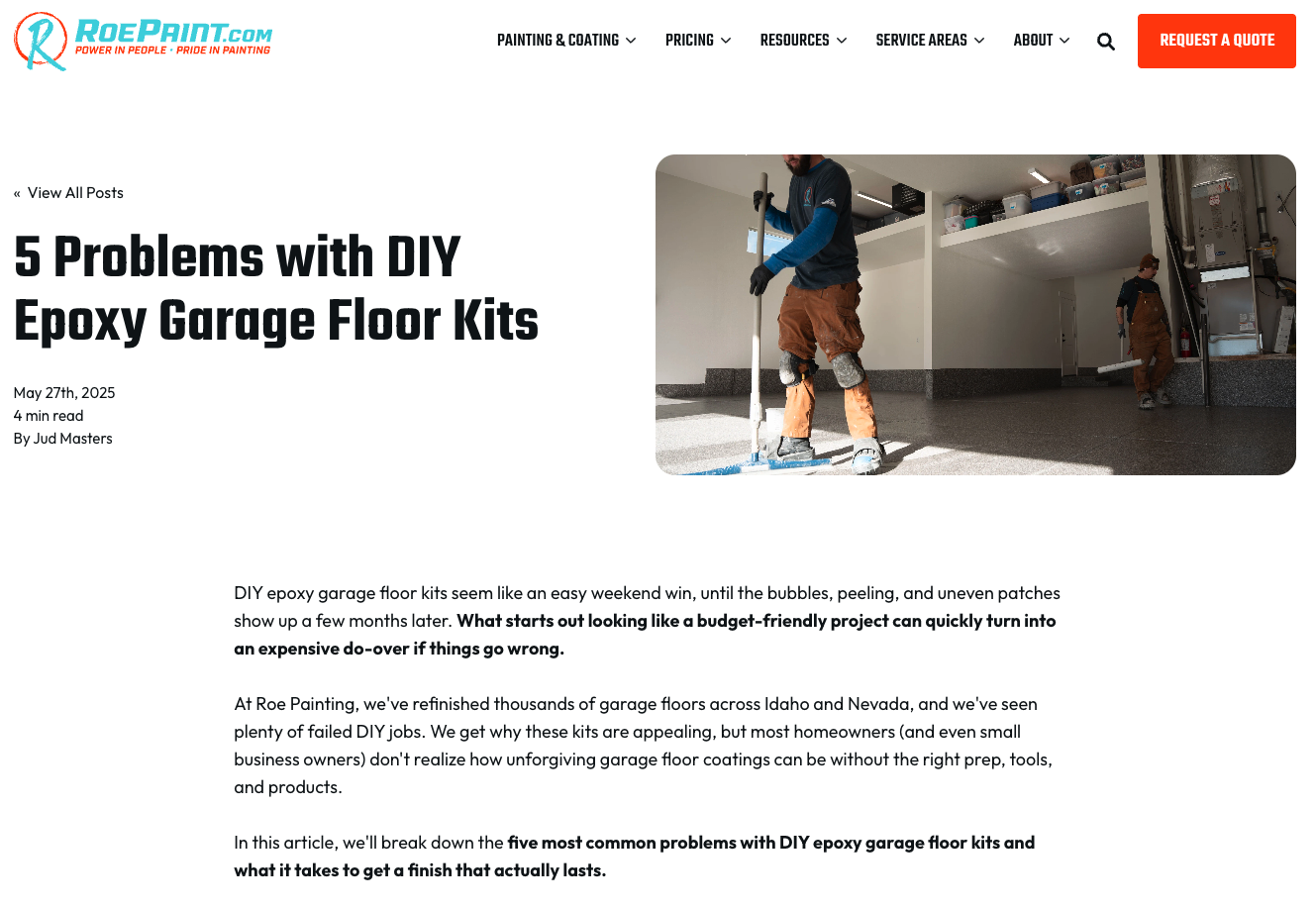
Plenty of industries need to answer the DIY question: can customers do this on their own? And if they do, what problems do they need to watch out for? This article from RoePaint.com serves two purposes: it educates the buyer about common misconceptions about doing a DIY epoxy garage floor and helps them decide if they are qualified enough to tackle that themselves.
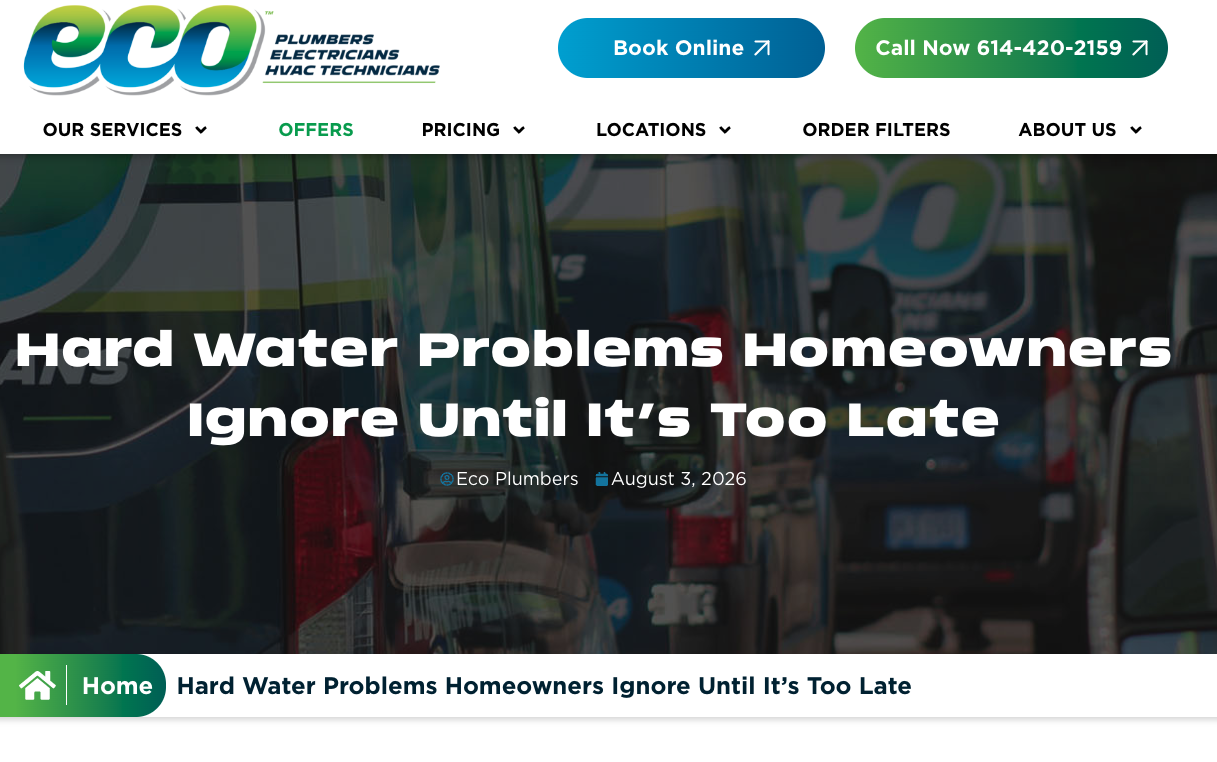
Another great article from a stellar home services company, Eco Plumbers, Electricians, and HVAC technicians. Even if you aren't looking for professional help just yet, this can help people identify red flags that something might need to be addressed in the future.
Comparison blog post examples
Once a buyer knows what problem they're trying to solve — or, generally, the type of solution they need — they are going to start evaluating their different options before they pull the trigger on making a choice.
Again, similar to writing blog post articles about problems, comparison blog post articles help buyers feel as if they're making a more informed decision, so they can avoid that dreaded feeling of buyer's remorse later.
This is especially true since every product or solution on the market in every single industry today is not the right choice for everyone. Every personal individual, family, or business has a unique set of needs and circumstances, which will dictate what the right choice is.
Below you'll find a few different types of comparison blog post examples to show you how to showcase a variety of comparisons in your blog content.
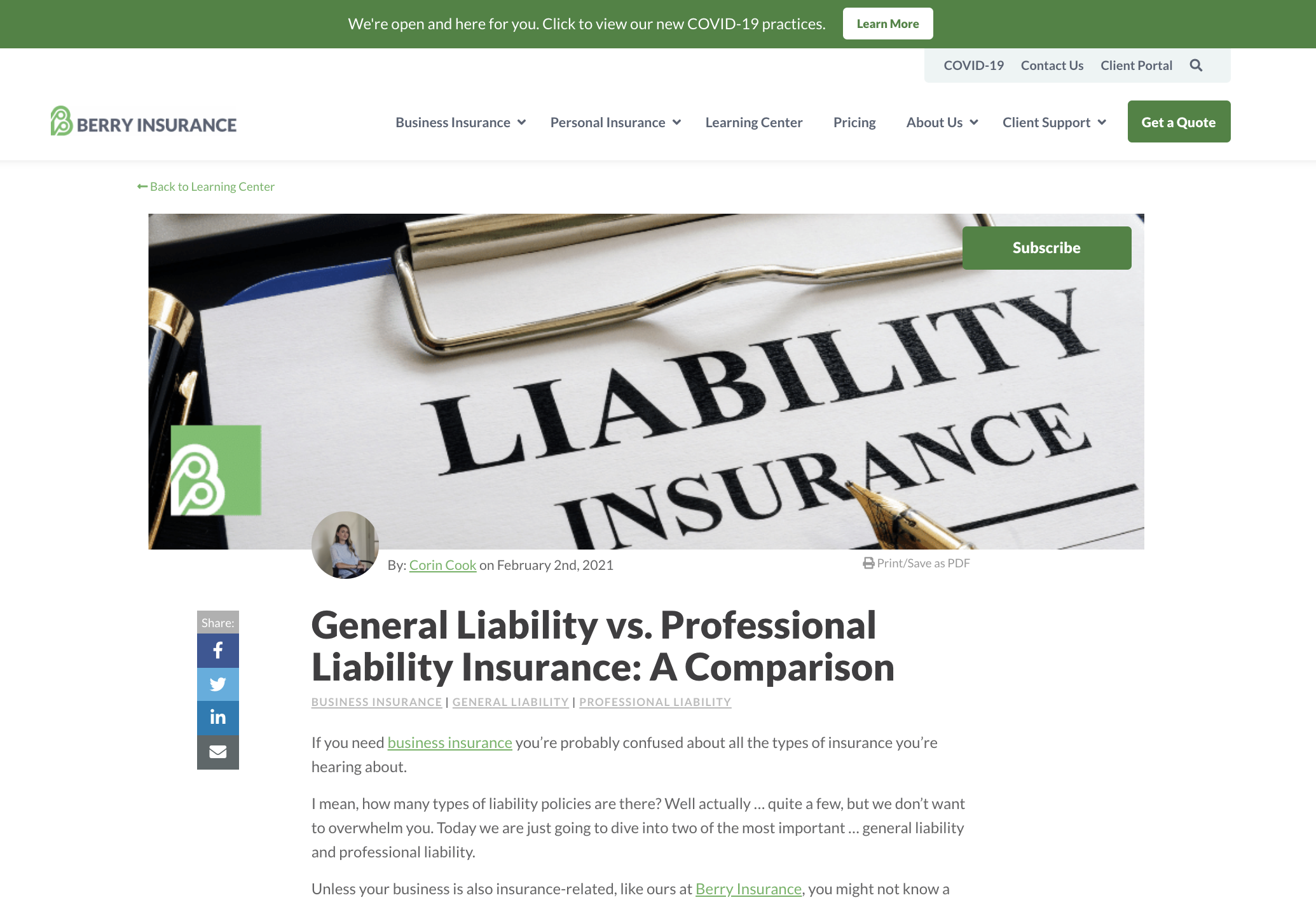
General Liability vs. Professional Liability Insurance: a Comparison
Berry Insurance is back again with another "by the book" (and I mean that in a good way) example of how to nail a comparison article.
My favorite part? This comparison article does a great job of opening up immediately on the pain point their target audience is experiencing — "If you need business insurance you’re probably confused about all the types of insurance you’re hearing about. I mean, how many types of liability policies are there?" — in a super relatable and human way.
I wish more businesses empowered their content creators to sound like actual, breathing humans instead of Business Voice-Enabled Robots.
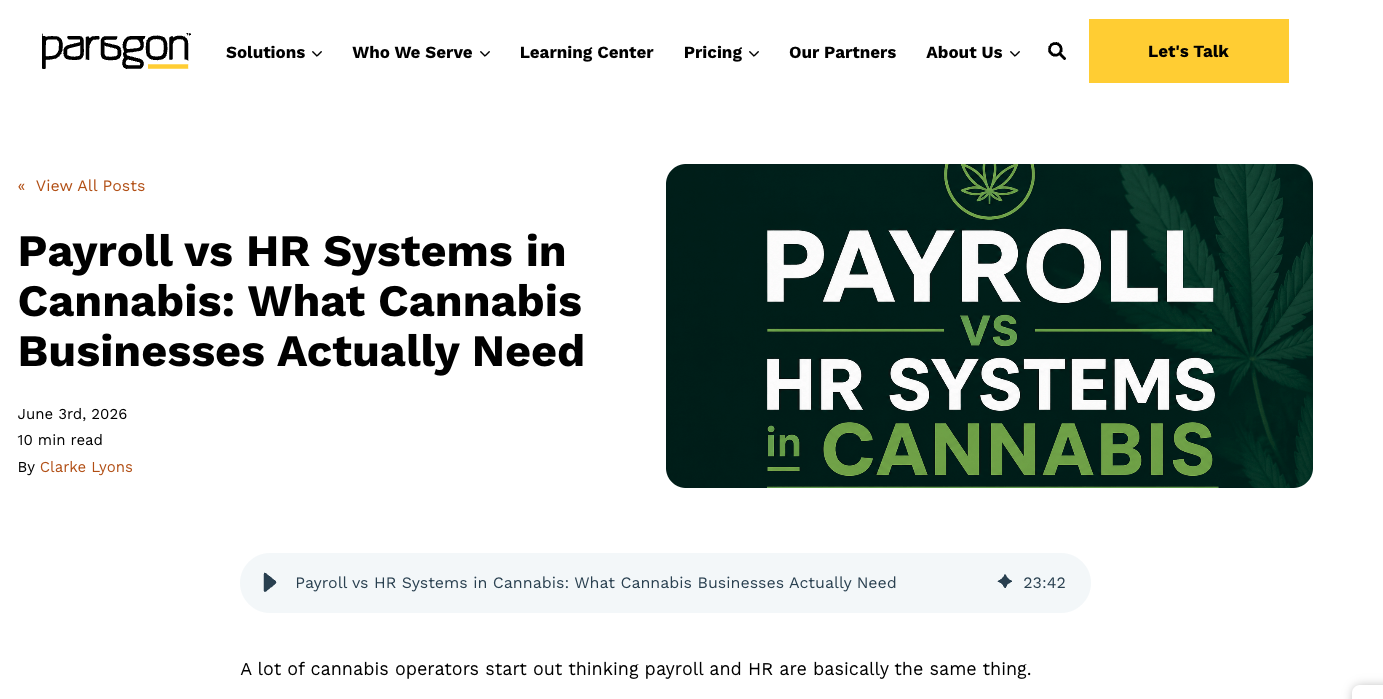
Paragon Payroll is an amazing example of industry-disrupting content. They are setting a standard of excellence and commitment to honest business practices in an industry where too many people take advantage.
This straightforward comparison article helps business owners evaluate payroll vs. HR systems with clarity without making the reader feel lesser for not understanding this concept. They leave the article more informed and confident about what their business actually needs.
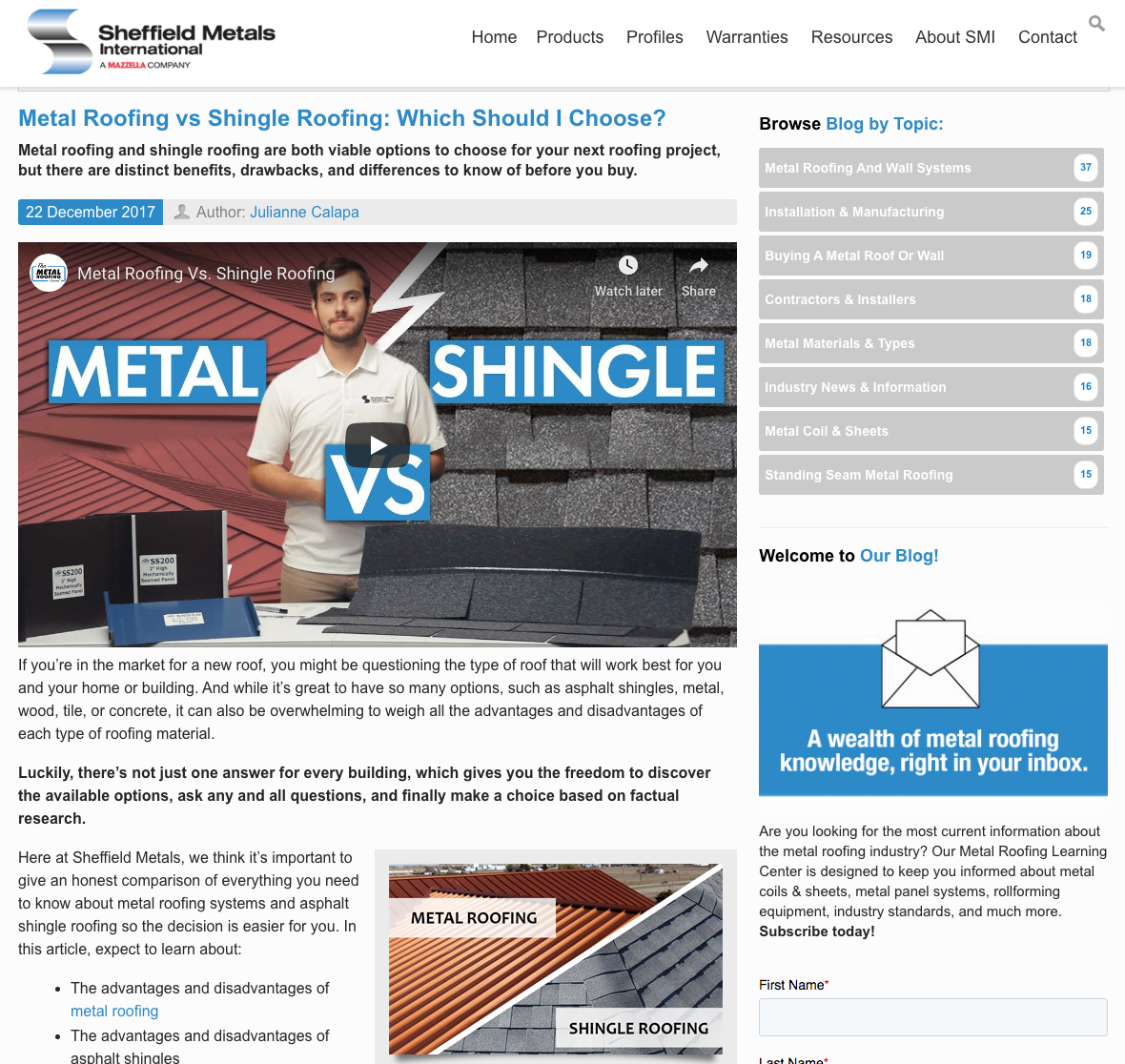
Metal Roofing vs. Shingle Roofing: Which Should I Choose? (Sheffield Metals)
There is so much to love about this expertly crafted, product-based comparison blog post example from Sheffield Metals. It includes video, the title immediately communicates to the reader, "This article will help you make an informed purchasing decision," and detailed comparisons between the two roofing options across a range of different measures.
The Sheffield Metals crew then took this article over the top by including an entire section on considerations you need to take into account before making any roofing purchase decision — budget, roof design, your HOA or municipality, and more.
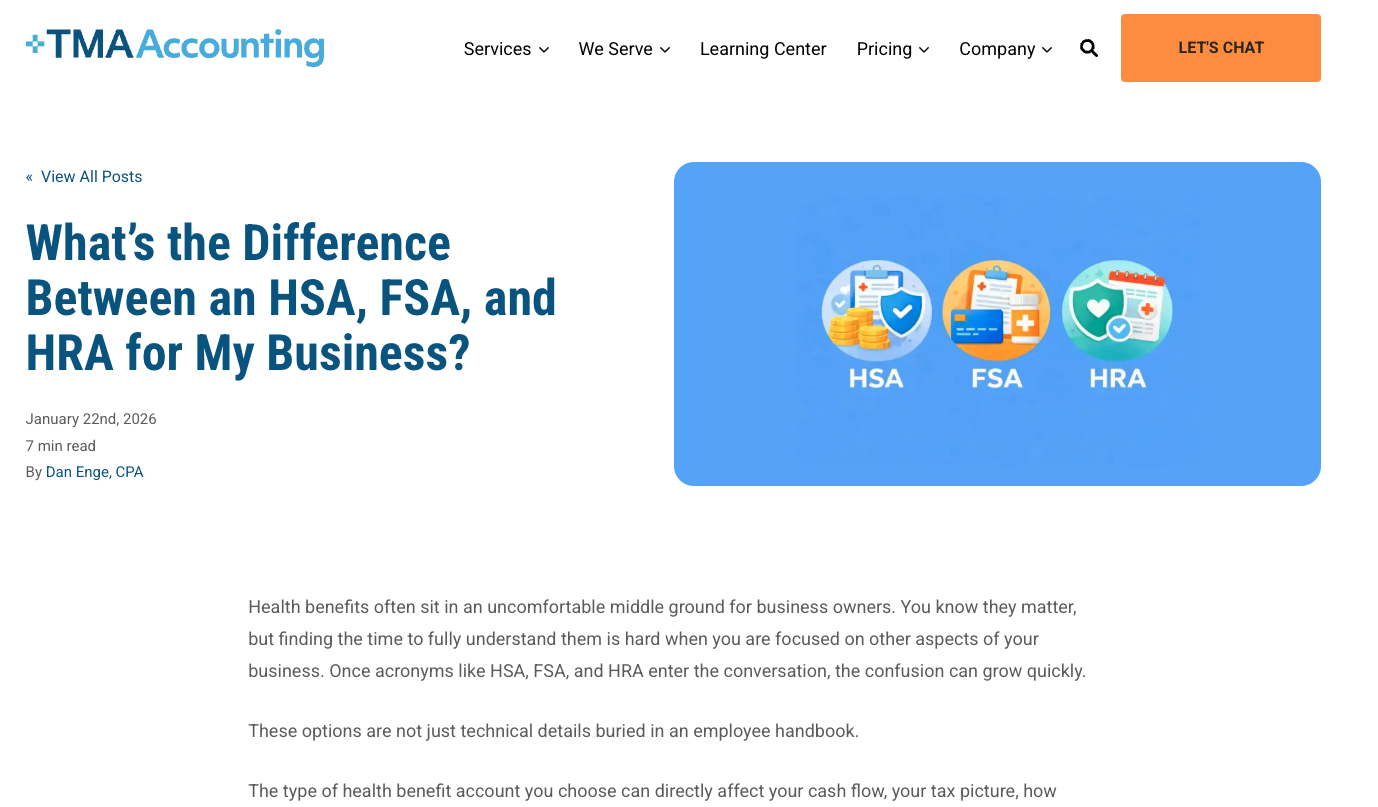
A big shoutout to TMA Accounting for creating this article that tackles two big business topics: finance and health benefits. Not only can you learn about the differences between an HSA, FSA, and HRA, but the financial implication of each.
Reviews and ratings blog post examples
Candid reviews about products, services, solutions, and so forth must be a part of your content marketing strategy.
Again, because no matter what your industry is (B2B, B2C, e-commerce, etc.), your buyers want to know the good, the bad, and the ugly — especially the ugly — of what they're getting into before they make a purchase.
If you think you're exempt from writing review articles, remember the last example from the comparisons category, in which we wrote about WPEngine vs. GoDaddy for WordPress website hosting. We don't sell website hosting, but it a topic very closely connected to services we do provide to clients.
Now, let's get to the examples...
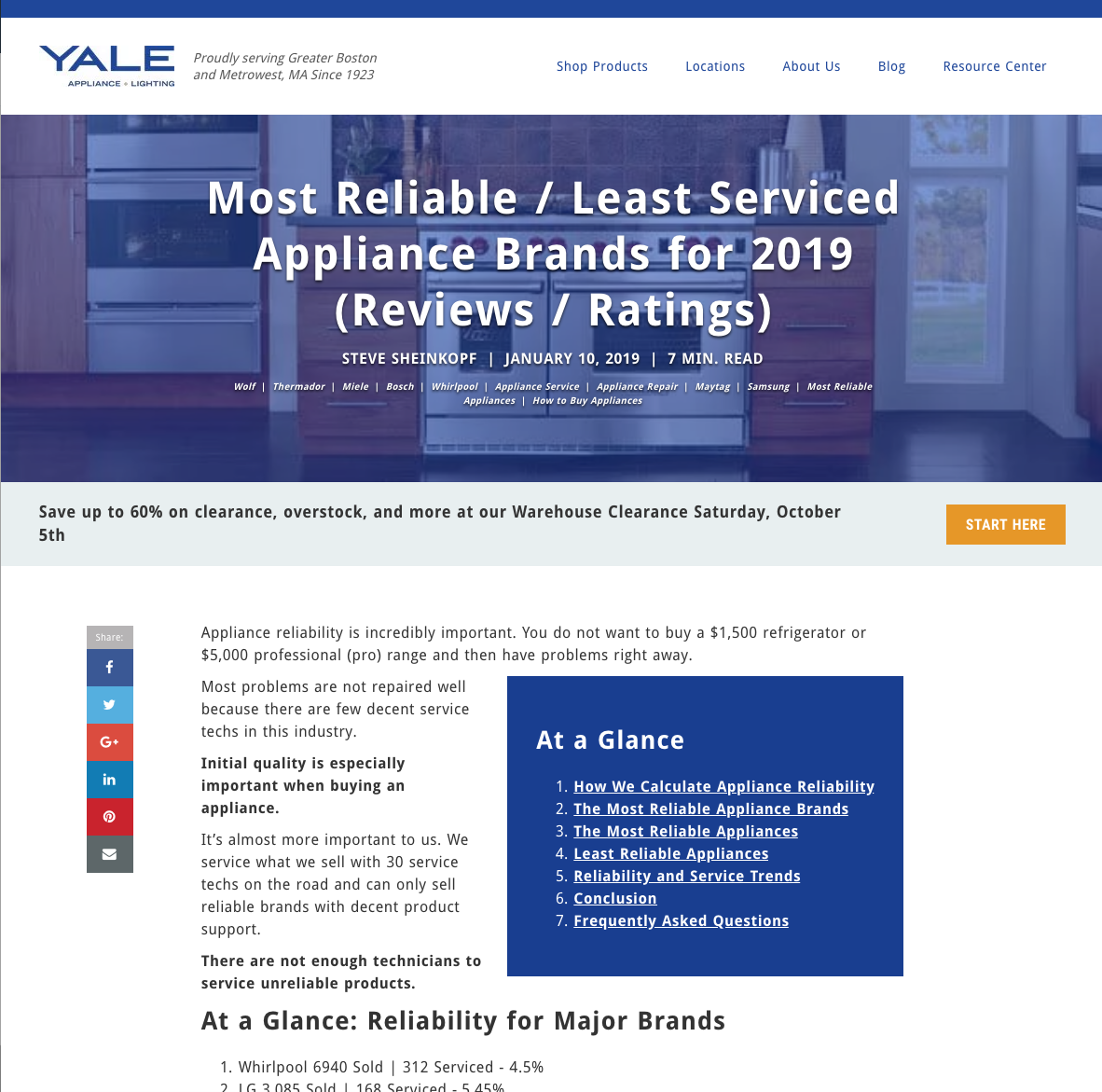
Most Reliable/Least Serviced Appliance Brands for 2026 (Yale Appliance)
I love this blog post example for reviews and ratings topics from Yale Appliance, because it (a) showcases how to do this style of blog post well, (b) clearly demonstrates why they've seen the level of success they have with content marketing, and (c) it outranks content from industry giants like Whirlpool, GE, and so on. That's pretty amazing for a plucky Boston-based company.
(Also, if you're looking for a real-world case study of how successful a company can be with the right content marketing and blogging strategy, look no further than Yale Appliance.)
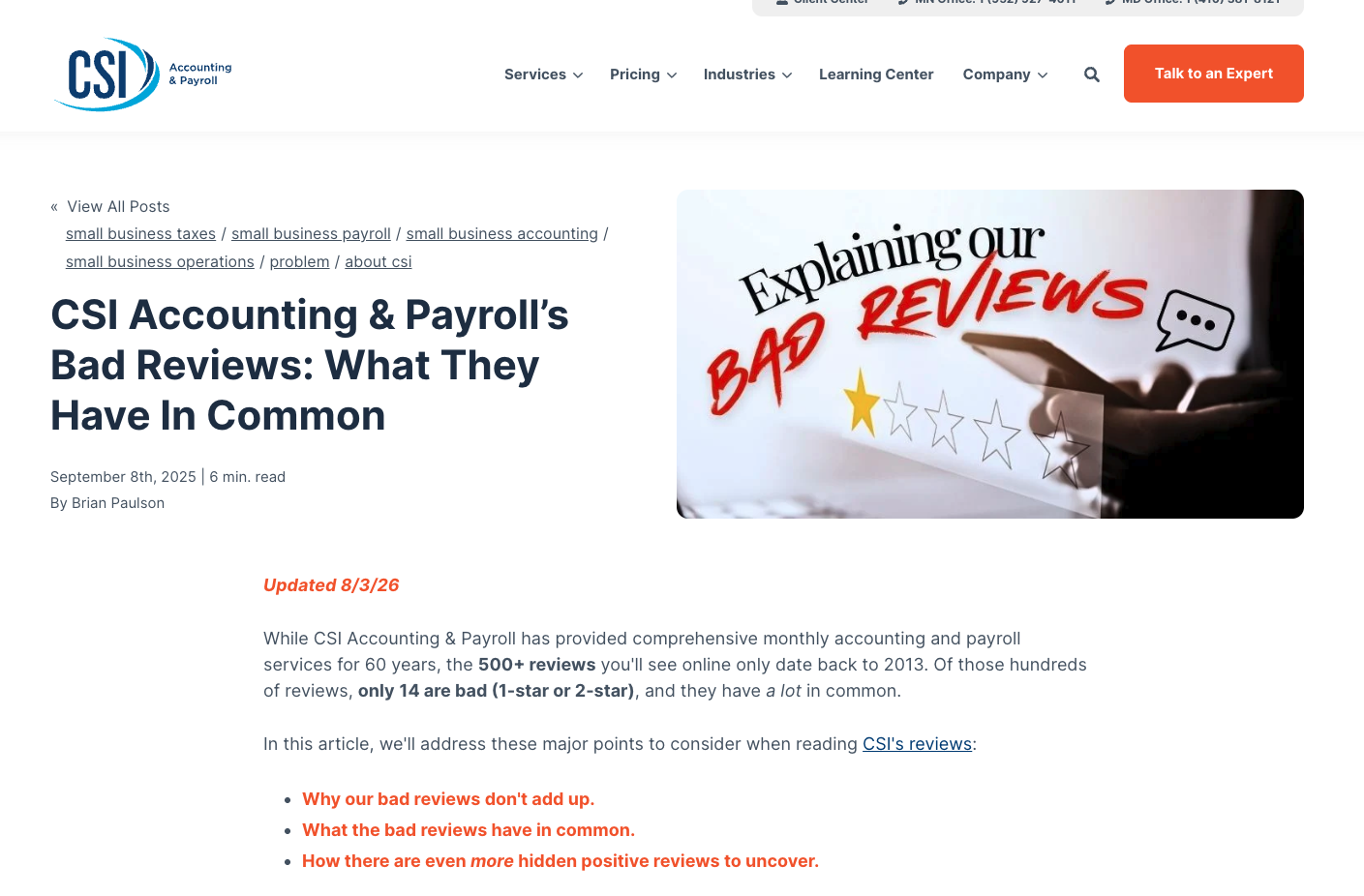
This one might shock you. Most companies hide their own bad reviews, but CSI Accounting tackles them head-on.
It's a masterclass in building trust and transparency, and I think you'll agree after reading that article that your opinion of that company goes up, not down. And it's not because they diminish the bad reviews; they actually address when they did mess up, and what they've done to correct it since then.
Examples of Best-in-class/best of blog posts
A lot like reviews and ratings-based blog posts, your audience is also going to be looking at content that tells them what the "best" of something is. Best tools, best vendors or providers in a geographic area, best and so on.
Basically, they need you to do the heavy lifting for them.
What are the best (ha!) "best of" blog post examples? I'm glad you asked...
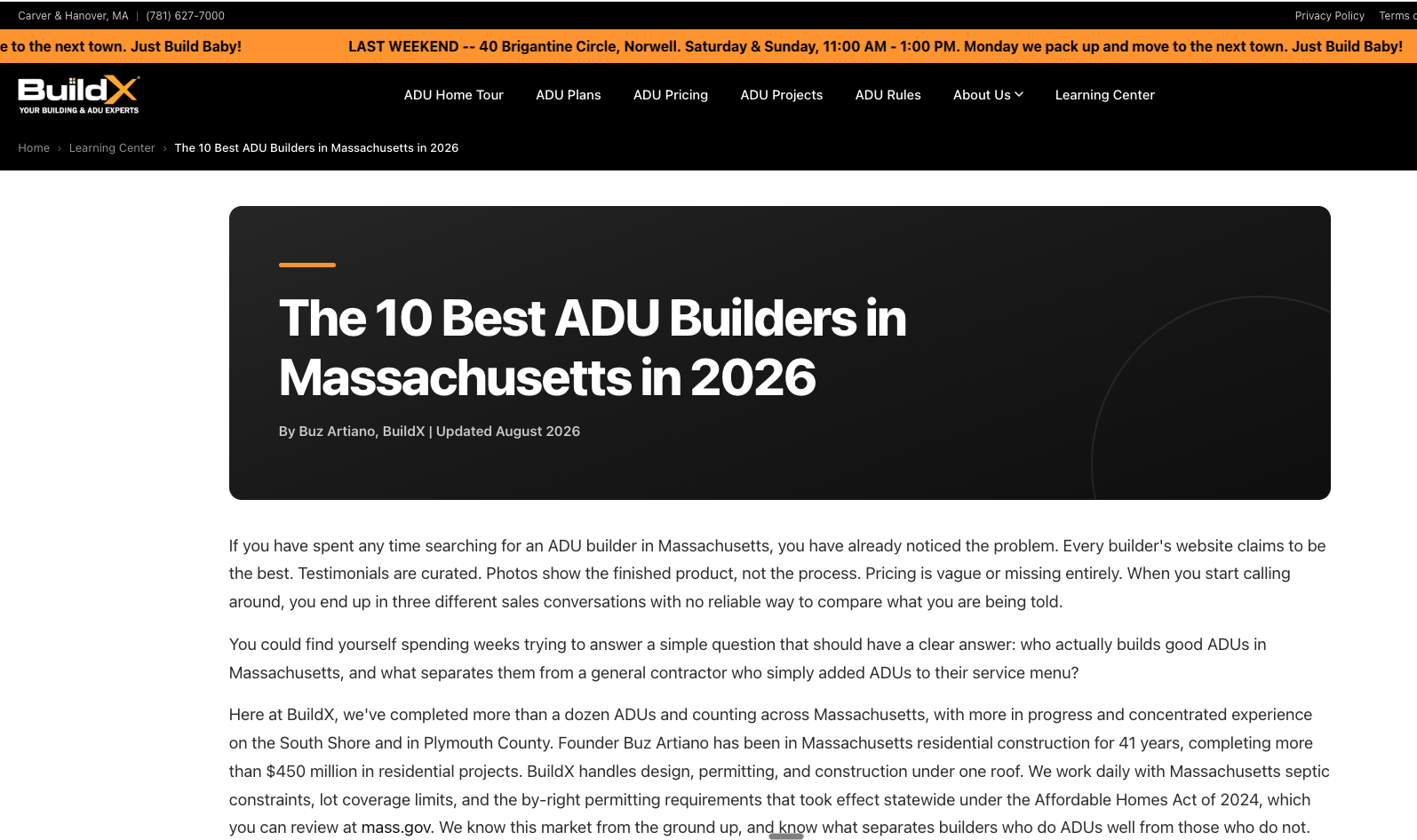
This article on the best ADU builders in Massachusetts by BuildX is one of the most comprehensive industry ranking articles out there.
They clearly outline the criteria and how they ranked themselves and their competitors. The result is a purely objective, honest look at the industry. Did BuildX put themselves at the top of the list? Yes. But it's hard to deny why they are there when you look at how they compiled the evidence.
This isn't a simple listicle. This is heavily researched and immensely valuable to anyone shopping in their market.
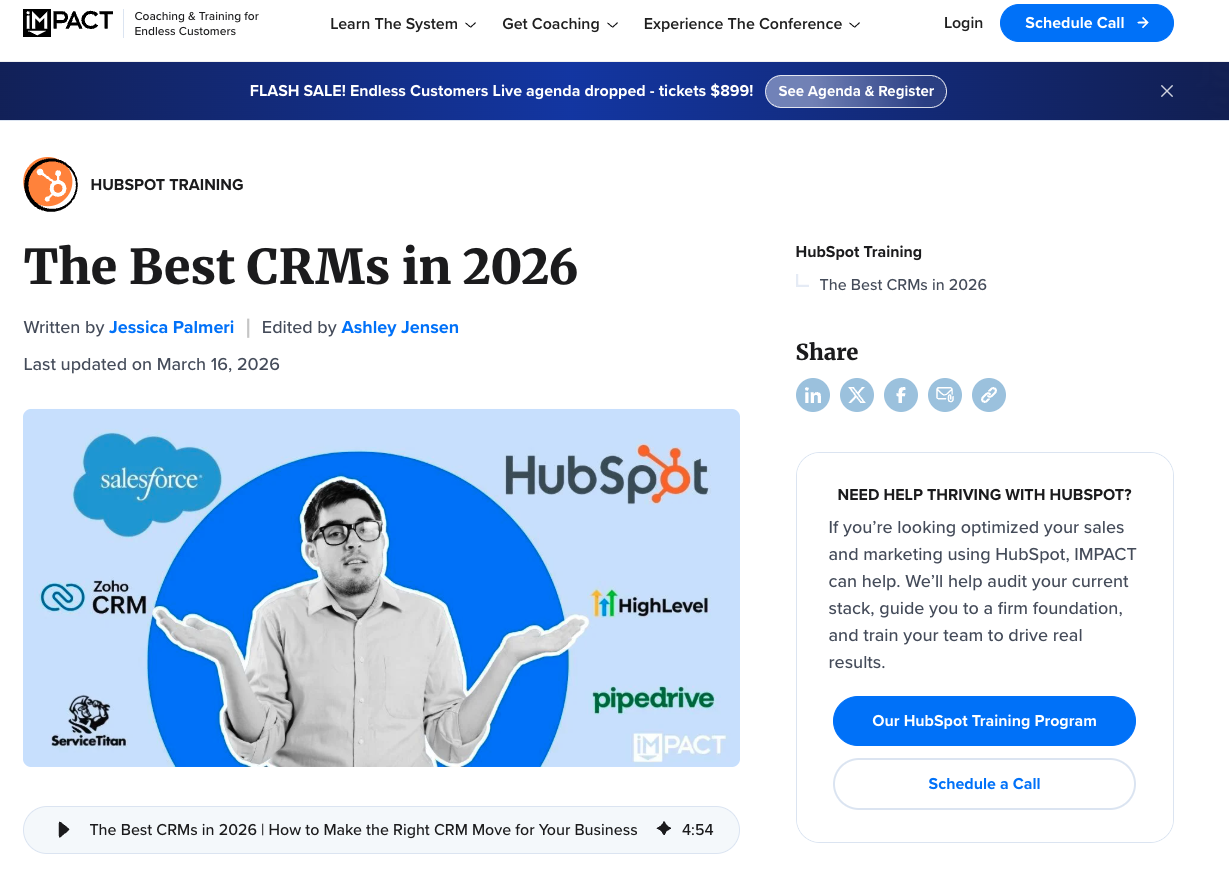
One of the most common types of "best of" articles is listicles just like this one! These articles are great for helping customers evaluate their options, and can be used as sales enablement tools.
"How to" blog post examples
Blog articles that teach someone how to do something are invaluable, but they are often executed so poorly.
In my role, the most common problems I see with "how to" blog posts are including too little detail (or too much), not providing visuals when they're needed or would be super helpful to the audience, and using too much industry jargon, rather than writing to the knowledge level of the audience.
The following "how to" blog post examples are a must-see for any industry. Even if the following topics are completely unrelated to what you do or provide, each of these embodies the universal principles every "how to" blog article should embrace.
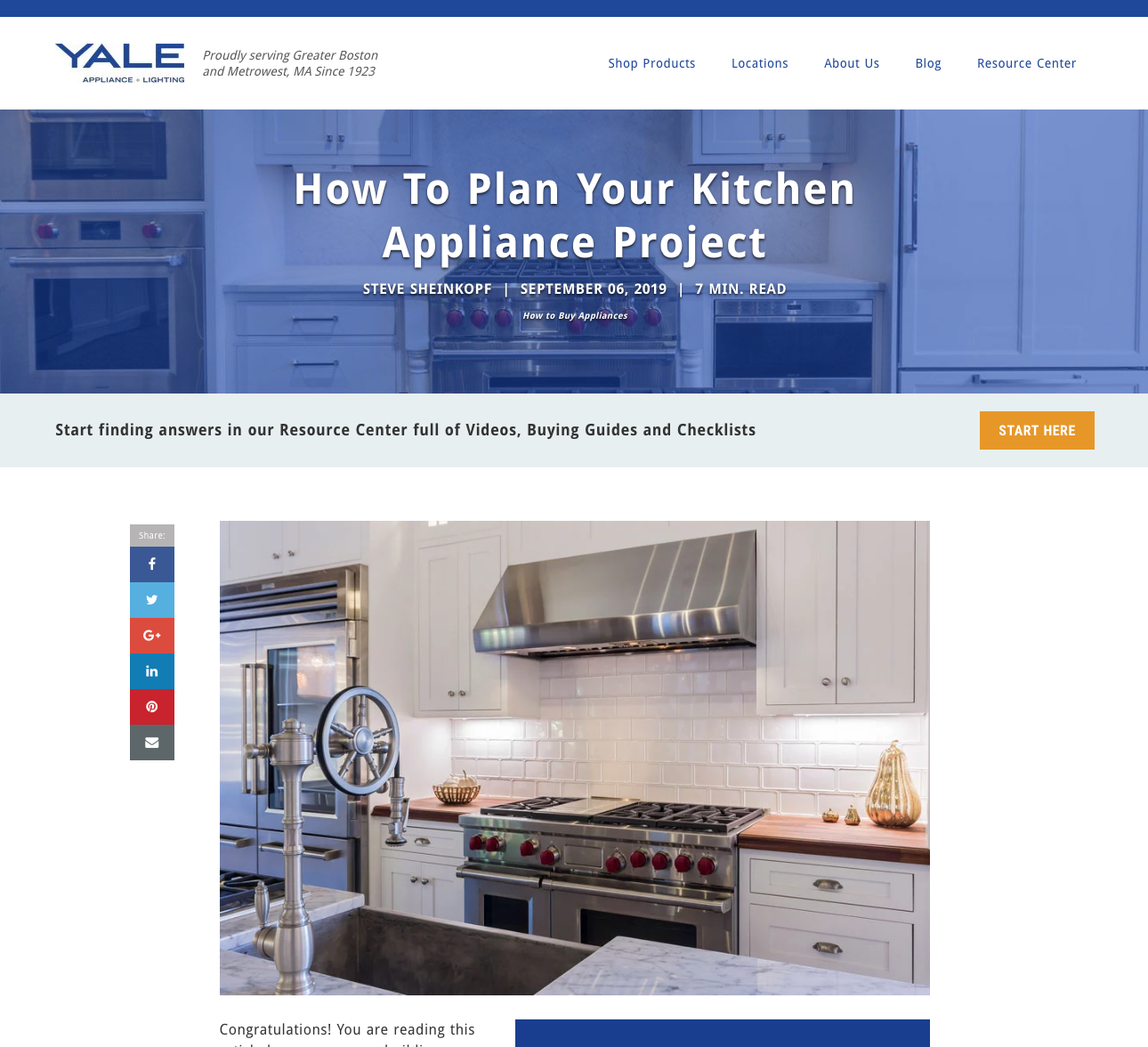
How to Plan Your Kitchen Appliance Project (Yale Appliance)
As anyone who owns a home knows, managing any sort of home project is always more complex than it seems, and kitchen appliances are no exception. This article from Yale Appliance takes buyers through the entire process, from choosing a contractor to personalizing your space, with diagrams, expert tips, and more.
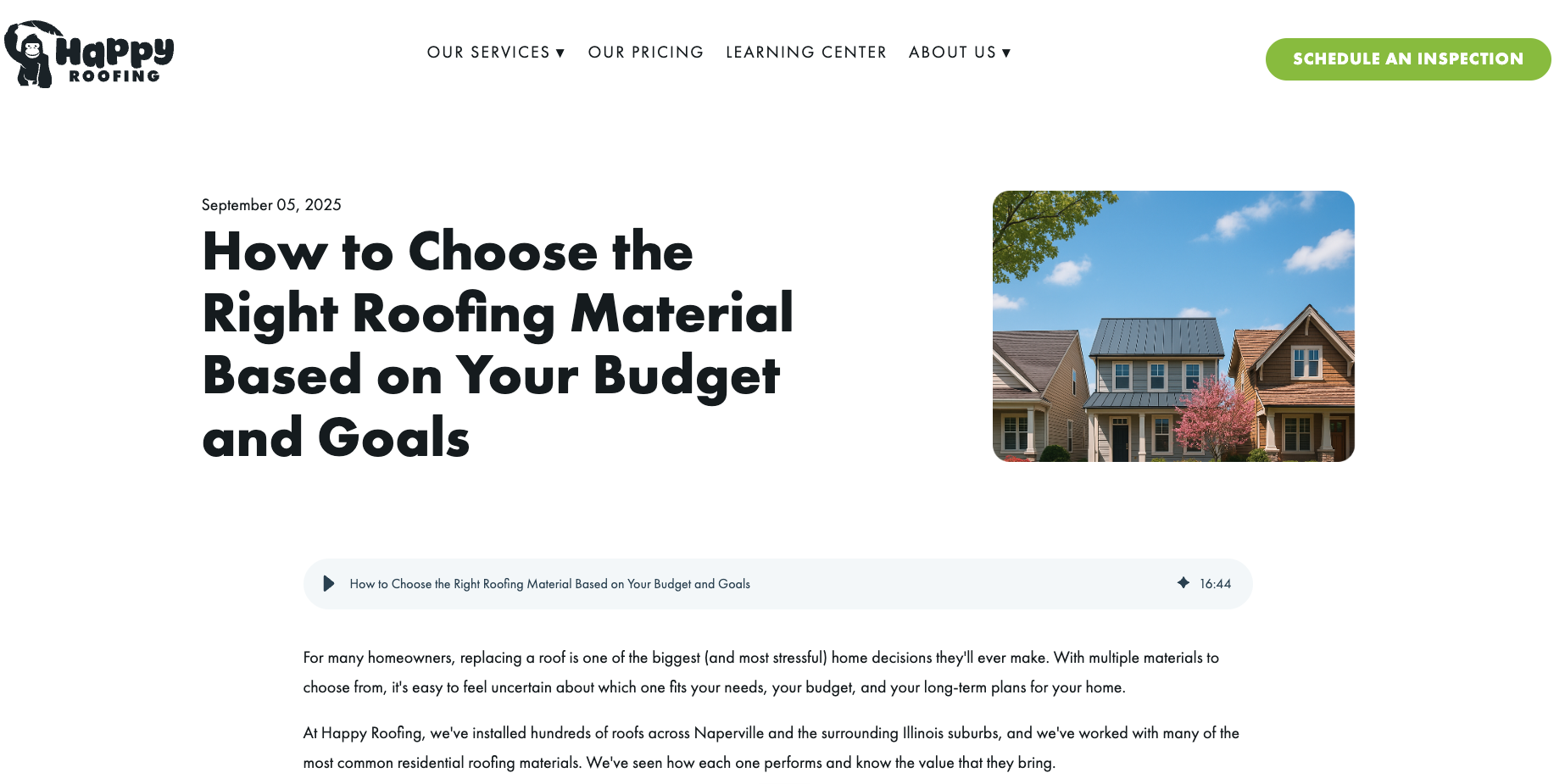
Not all how-to articles have to be something physical that a buyer needs to do. Sometimes it's purely educational and can help buyers make more confident decisions.
Happy Roofing does a great job breaking down how to choose roofing material in a way that helps the reader feel more confident in making a big decision.
You Have the Roadmap. Now Go Write Something Great.
When I sat down to update this list, my goal was the same as it's always been: to stop leaving digital marketers to guess at what "good" actually looks like.
You just walked through more than a dozen real examples — pricing pages that don't dodge the hard number, problem-focused posts that build trust instead of panic, comparisons that don't play favorites, reviews that admit when something went wrong, best-of lists that show their work, and how-tos that respect the reader's time.
Almost every one of those examples falls into what we teach our clients as The Big 5 the five blog topics (cost, problems, "versus" comparisons, reviews, and best-in-class rankings) that consistently drive more traffic, leads, and sales than anything else you could write. If that's new to you, read our full breakdown of the Big 5 before you write your next post.
None of the companies above had some secret advantage. They just picked a topic their buyers were already searching for and answered it honestly, specifically, and in a format people actually want to read. That's the whole playbook. Bookmark this page, come back to it the next time you're staring at a blinking cursor, and then go write the blog post your buyers have been waiting for.
FREE BOOK PREVIEW
Endless Customers Special Preview Edition
Get a taste of the book that brings you a proven system to build trust, drive sales, and become the market leader. This special preview edition has select chapters and The Four Pillars of a Known and Trusted Brand, resources to accelerate your success, and more.
Frequently Asked Questions
What makes a blog post "high-quality" instead of just another article nobody reads?
A high-quality blog post directly and honestly answers a real question your buyer is asking, rather than skimming the surface or avoiding the hard parts. It backs up claims with specifics — real numbers, named examples, and visuals like tables, images, or video — instead of vague generalities. Quality is measured by whether a reader leaves the page more informed and more confident in your business, not by word count or keyword density alone.
What is the Big 5, and how does it help me decide what to blog about?
The Big 5 is IMPACT's framework for the five blog topics proven to drive the most traffic, leads, and sales: cost, problems, comparisons ("versus" articles), reviews, and best-in-class or "best of" lists. Instead of guessing at blog ideas, you build your content calendar around these five categories first, since they map directly to the questions buyers are already asking before they purchase.
How often should a business publish new blog content to see results?
Consistency matters more than frequency for its own sake. Most businesses see meaningful traffic and lead growth by publishing at least 3 well-researched, Big 5-aligned articles per week, sustained over six months or longer. A single brilliant post won't move the needle, but a steady drumbeat of honest, specific content compounds over time as search engines and AI tools learn to trust and cite your site.
How long does a blog post need to be to perform well?
There's no magic word count. Length should match the complexity of the question being answered. A straightforward comparison might only need 800 words, while a topic with a lot of "it depends" variables, like pricing or problem-diagnosis content, often needs 1,500 words or more to properly cover the factors involved. The right length is whatever it takes to fully answer the question without padding.
How do I know if my blog content is actually working?
Track it against business outcomes, not just pageviews: organic traffic to the piece, how often it's cited by AI tools and search results, and most importantly, whether sales teams are using it in real conversations with prospects. A blog post that gets shared in a sales email or linked in a proposal is doing its job even if its traffic numbers are modest.

/Assets/Icon%20Library/social/linkedin-logo.svg)
/Assets/Icon%20Library/social/x%20corp.svg)
/Assets/Icon%20Library/social/mail-to.svg)
/Assets/base/Learning%20Center%20Resource%20Category%20Icons/Website%20link.svg)