









2023 was a year that swept through with rapid AI advancements, a partly sunny/partly stormy economic outlook, and global unrest.
For some businesses, it was a banner year. For others, the exact opposite.
As a web designer and strategist, I think of the challenges my clients face — and how the right website can be a steady, stable business asset in such hectic times.
As we all look to the year ahead, it’s important to know the difference between trends and fads, and it’s important to never lose sight of the real reason we have websites in the first place.
Future trends in website design
As I look ahead to 2024, I see a few big trends in web design.
Changing design aesthetics
Different website aesthetics come and go, with the pendulum swinging back and forth.
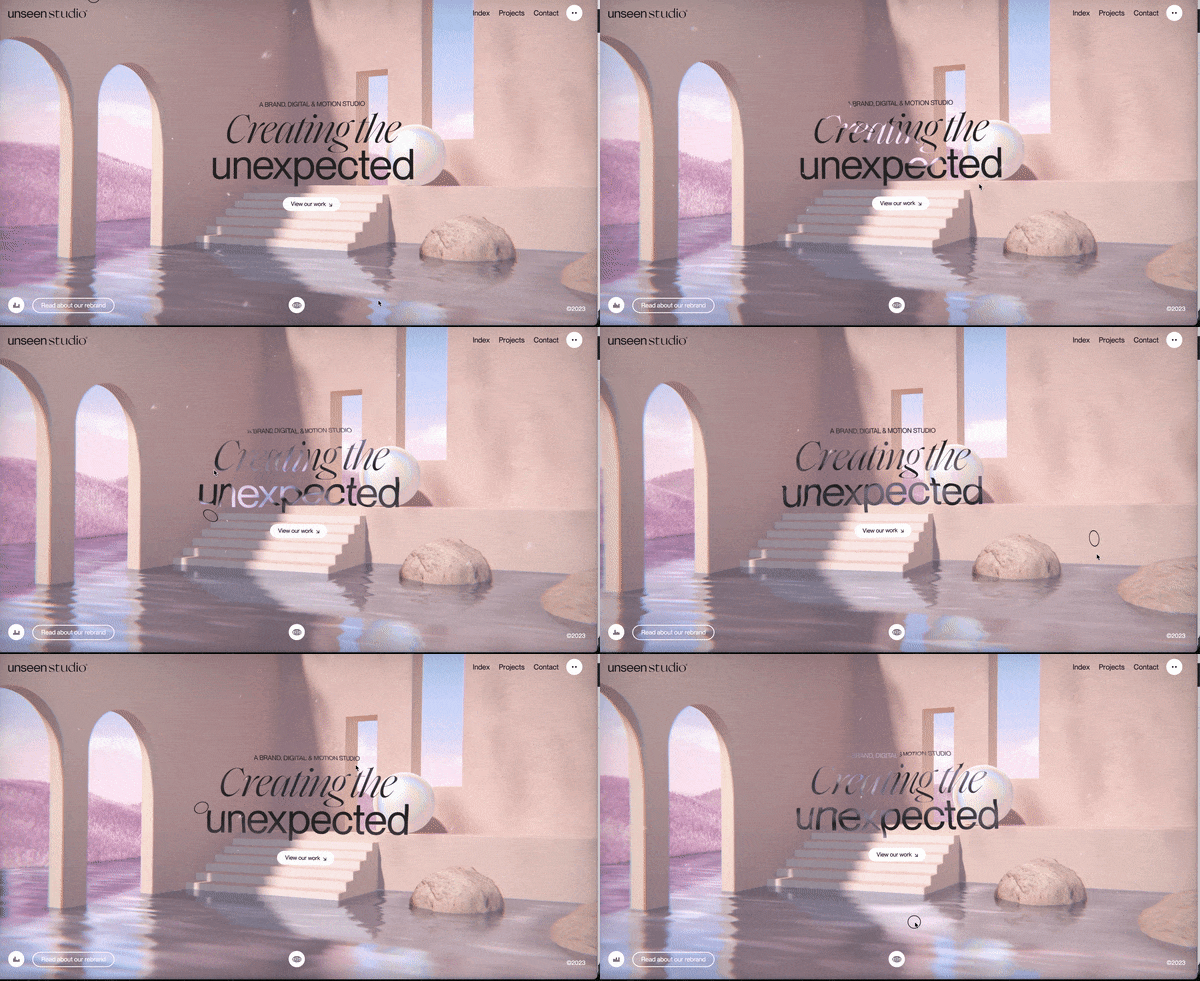
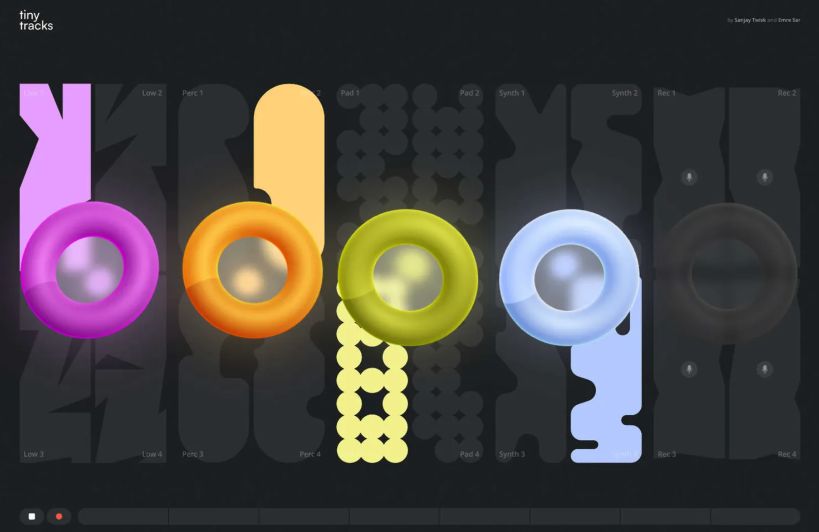
It’s interesting after so many years of very clean, minimal designs with tons of white space, we’re now seeing the opposite: the so-called Y2K effect. I’m seeing big, over-the-top text along with large illustrations and visuals.
For example, check out this homepage from Unseen Studios:
Or this from Tiny Tracks
You can see more examples here.
For our team, these trends may have some influence on the aesthetics of what we do (and what our clients ask for), but it’s important to not let trends distract you.
Remember, your website is about the user. While splashy animations and big text might be dazzling, they can also confuse your buyers. As Donald Miller, author of Building a StoryBrand, says, you want your website to “pass the grunt test.”
Think of your website homepage as a micro elevator pitch. Can your visitor understand what you do in a few seconds? If not, they could easily bounce and go elsewhere.
The increasing impact of AI
We’re hearing about AI in all aspects of modern business, from marketing to sales to HR to customer service.
In websites, we’re seeing a few big trends:
- AI-generated content can speed up the copywriting process. Just be sure you’re staying true to your brand and not parroting out the same taglines as everyone else in your industry
- AI can find errors in code, which prevents developers from having to manually bug-check everything.
- AI-generated images start to replace stock photos. With tools like DALL-E and Midjourney progressing so rapidly, I’m seeing companies use new AI images instead of the cheesy stock photos that have plagued websites for years.
In five seconds I was able to create these two images with DALL-E.


Not perfect, I know, but quick, easy, and free. With some tweaking, these could be website-worthy. And the technology is only going to get better.
A bigger focus on a non-sales sales experience
Data shows that buyers don’t want to have to talk to a salesperson to make a purchase. They want to do as much of their shopping as they can on their own — only reaching out to a salesperson when absolutely necessary. As Marcus Sheridan always says, we have to sell the way our customers want to buy.
Well, if your customers want to buy without talking to a salesperson, your website needs to pick up the slack. In order to turn visitors into customers, you need to provide them with the information that answers their questions and alleviates their concerns.
For businesses, this means two things: First, providing content that answers buyers’ questions. Second, adding tools to your website — a pricing calculator, a questionnaire, or a smart chatbot — to customize their experience.
The trend that’s not getting enough attention: Generative search and SEO
The way people search the internet is changing. We’ve already seen social platforms like TikTok get used in place of a search engine. YouTube (a Google company, I know), is becoming more and more of a search tool. On top of that, so-called zero-click search results like featured snippets and “people also asked” answers
Now, with generative search tools (Google’s GSE, Bing’s ChatGPT-powered search), users can get AI-generated answers to their questions.
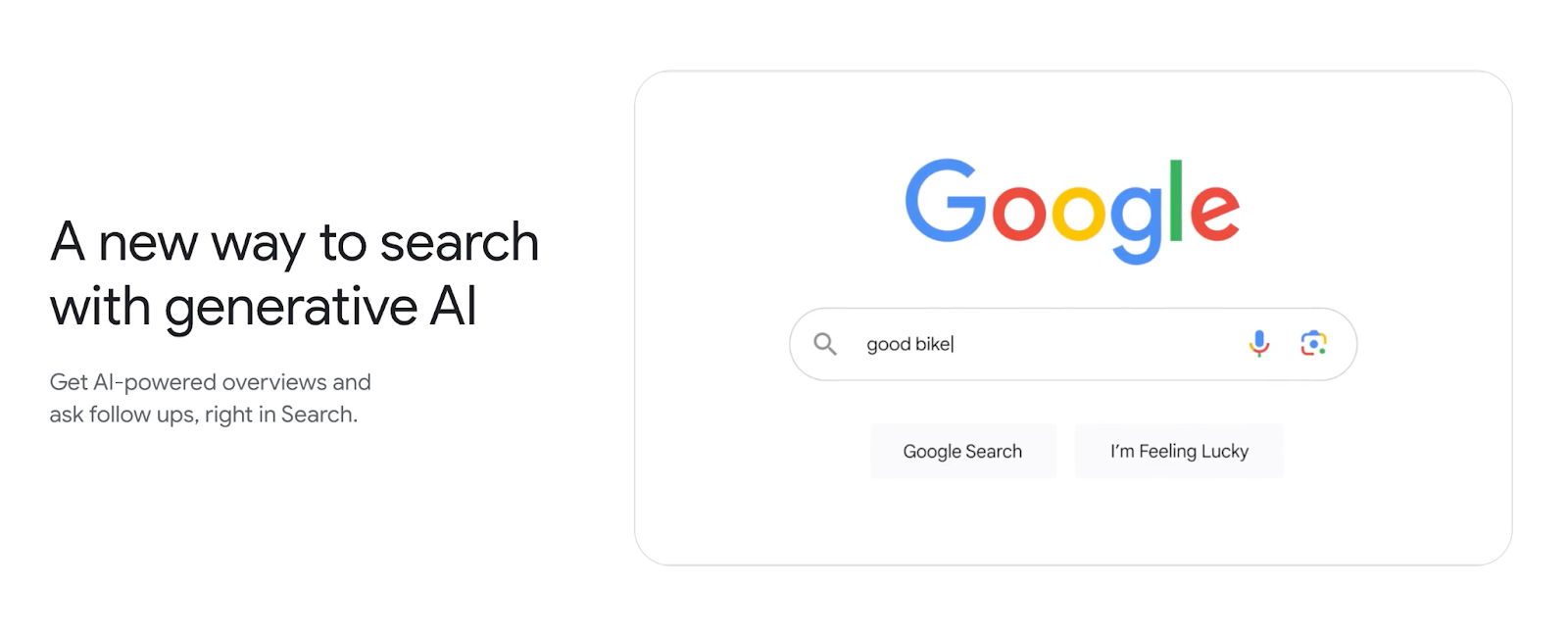
At this point, we don’t really know how generative search finds and serves answers. But don’t let this uncertainty make you forget why you’re producing content in the first place.
If you’re producing content that’s fluffy, clickbaity, or too self-promotional, Google has been trying to diminish your returns for years — and it’s likely generative search won’t promote your brand either.
The true goal of content is to educate your audience about what you sell. This means producing content that builds trust with would-be buyers so they can make an informed purchase.
Early indicators show that generative search tools are serving up trusted and respected sources (government sites and studies, reputable news outlets). As the technology expands and it serves up more and more answers about your industry, the most trusted voices in your space are the ones that will win out.
How your business should prepare for the year ahead
Every year, agencies and experts make predictions about the year ahead. Heck, I’m doing it right now. I think everything I’ve mentioned above is worth keeping your eye on.
But at the same time, I’ll say this: There are some truths about business that will never change. Your customers want information. The more you can make your website into an educational tool, the more trust you’ll build with your audience.
In the coming year, there’s going to be a lot of flashy AI advancements. Play around, get in the sandbox, and see how they can help you — but don’t lose sight of the reason you have a website in the first place. It’s not glitz and glamour. It’s honesty and transparency.
When you commit to saying what others in your industry won’t say, showing what others in your industry won’t show, and selling in ways others in your industry won’t, you’re going to come out on top — in 2024 and beyond.

Order Your Copy of Marcus Sheridan's New Book — Endless Customers!